After 8 years in distribution channels for agricultural input supply chain, I finally figured it out: the money isn't stuck in poor sales, but in "can't get it, can't track it, can't use it right." Now, combining the agricultural input online trading platform with agricultural technical consulting services actually straightens out these old problems all at once: more stable procurement, clearer accounts, more confident store promotions, and deliverable results in the field.
The Pitfalls of Agricultural Input Supply Chain That Distributors Step Into Every Day
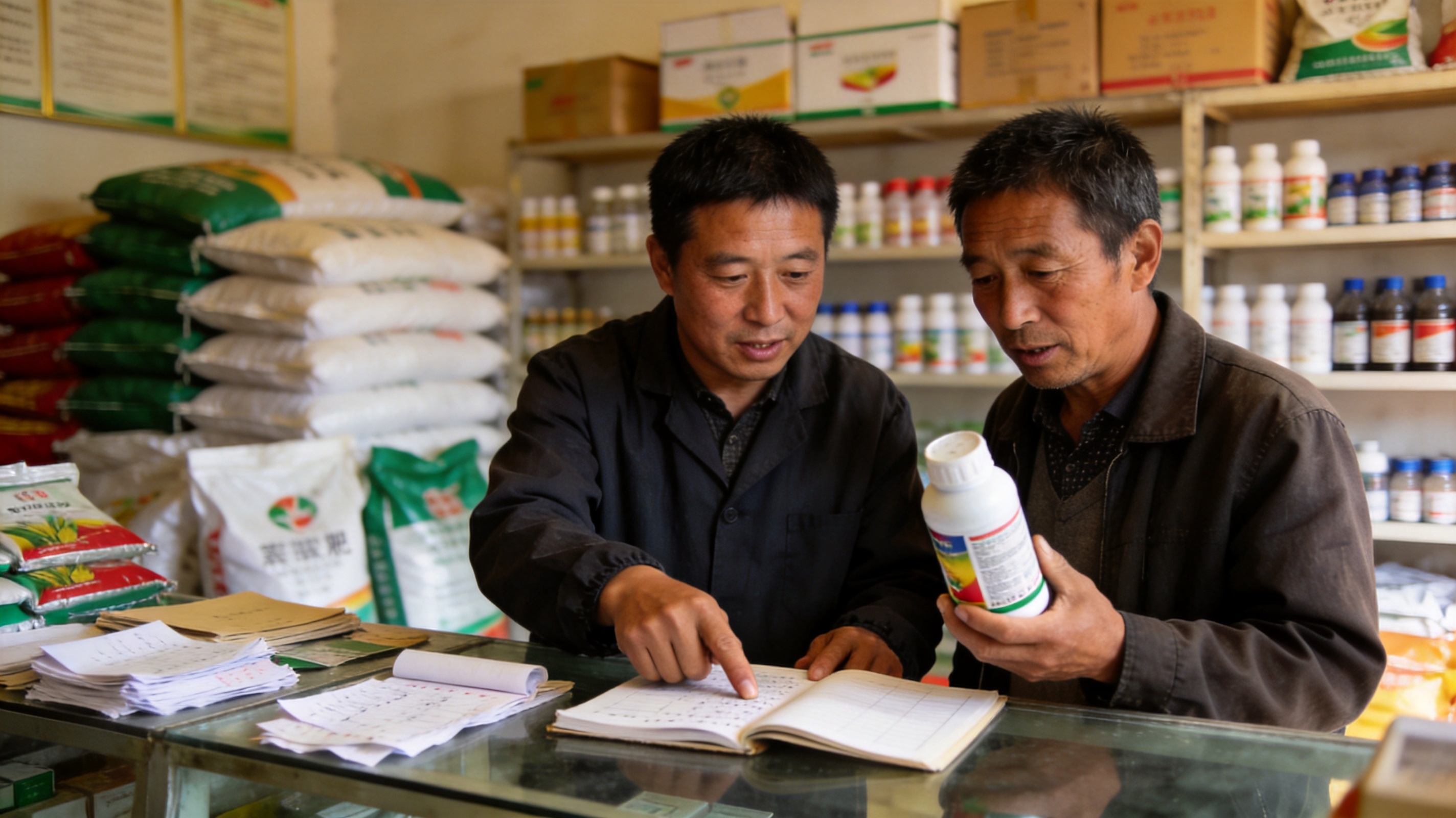
I've seen too many stores busy through an entire season with decent profit margins, yet cash flow gets tighter and tighter. The root cause often lies in three issues with the agricultural input supply chain: uncertain delivery, opaque pricing, and unclear after-sales.
For example, when peak season hits and popular formula fertilizers are out of stock, sourcing on short notice means either paying premium prices or leveraging connections; when payment terms stretch long and inventory turnover slows down, stores hesitate to stock up; and when disputes arise over post-application results, manufacturers, distributors, retailers, and farmers all tell different stories, damaging the store's reputation.
Treating the Agricultural Input Online Trading Platform as a "Procurement Control Center" - Efficiency Shows Directly in the Books
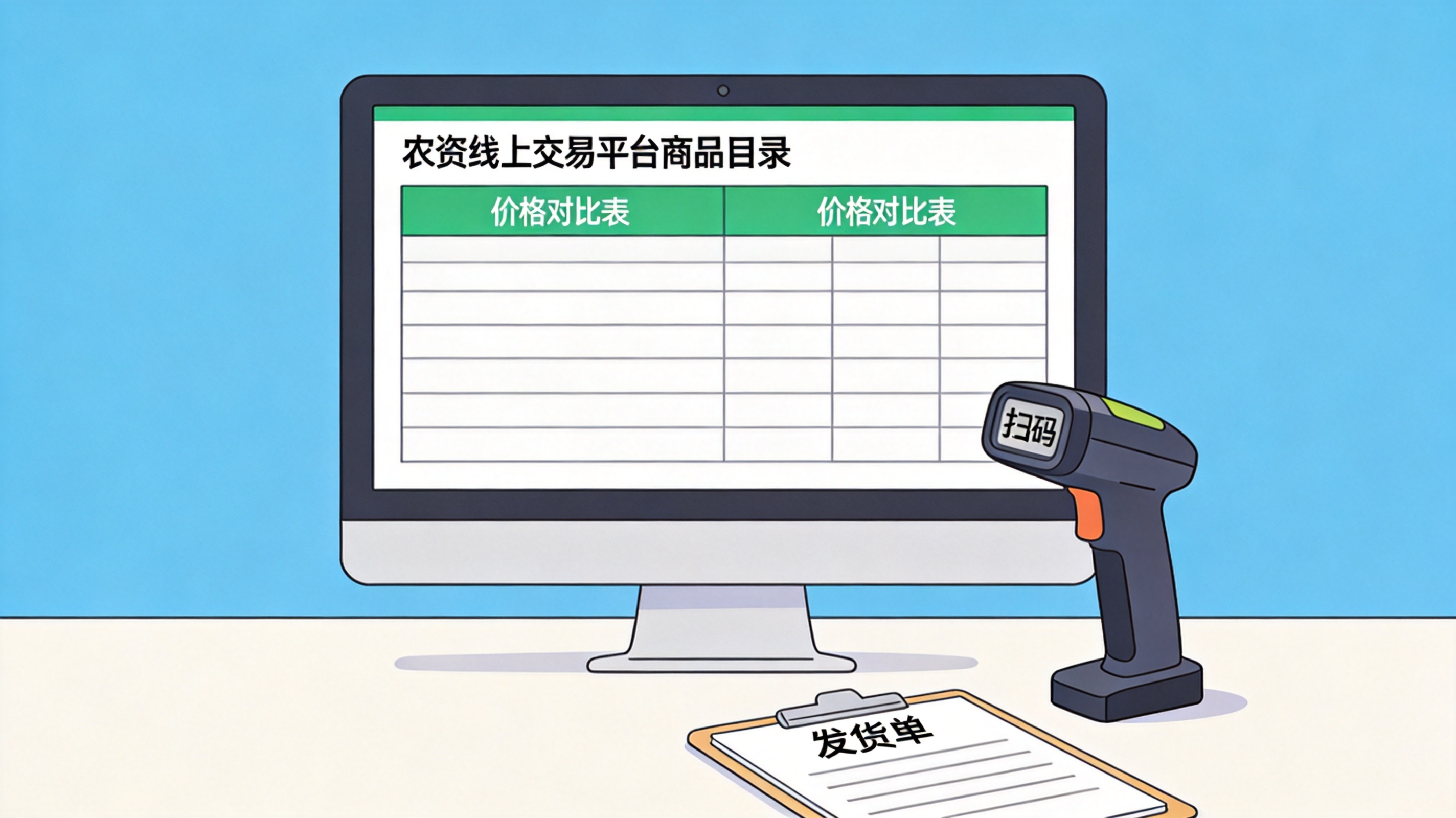
What I endorse more is: use the agricultural input online trading platform to standardize procurement, so distributors can shift their focus back to "service and sales momentum." No need to make the system sound overly sophisticated - solving three simple things is enough: easy to find products, easy to compare prices, easy to reconcile accounts.
When implementing, I suggest clients focus on these experience metrics. Get these right, and the stability of the agricultural input supply chain will improve:
- Product information must be "order-ready": specifications, content, registration certificate/filing, applicable crops should be verifiable at a glance, reducing back-and-forth phone confirmations.
- Pricing must be "traceable": clarify differences between batches of the same product, promotion and rebate rules to avoid disputes later.
- Fulfillment must be "predictable": estimated arrival, split shipments, and exception alerts need a closed loop so stores dare to do pre-sales and fertilizer formulation plans.
- Reconciliation must "save manpower": orders, invoices, rebates, and freight run on one unified system—less overtime at month-end means profit.
Agricultural input supply chain isn't just about low prices, it's about "one less error"
Channel veterans all understand: low prices bring one order, but errors drive away a whole area. When platforms make information and processes clear—one less wrong shipment, one less missed invoice, one less last-minute price increase—it accumulates into the store's reputation and repeat purchases.
Agricultural technical consulting services bridge the "last mile," turning results into reusable solutions

I'm increasingly certain: agricultural technical consulting services are not "icing on the cake," but the key to transforming agricultural inputs from products into solutions. What stores sell isn't just fertilizer and pesticides, but "how to use this field, at what stage, and who to contact when problems arise."
Clients who operate smoothly generally break consulting services into three executable steps: filing (crops, soil, previous crop, climate), formulation (product combinations and application timing), and follow-up (photographing/measuring/recording at critical stages). This way, there's basis when effect disputes arise, and stores dare to take on long-term orders from large growers and cooperatives.
What do clients say? Listen to some "straight feedback" from peers
A retailer in the vegetable section told me very frankly: "In the past, sourcing was like guerrilla warfare, asking this supplier today and that one tomorrow; now with platform ordering and stable delivery rhythm, I dare to schedule promotions in advance."
A cooperative leader values the service loop even more: "For the same product, different usage methods lead to two different results. When someone can clearly explain the timing for fertilizer and pesticide application and follow up with visits, we're willing to follow the plan long-term." These words aren't fancy, but they illustrate the point: agricultural input supply chain + trading platform + consulting services form a combination that works.
If you're also reorganizing your agricultural input supply chain, I suggest starting with one small thing: first migrate high-frequency categories to the agricultural input online trading platform to complete the "product selection - ordering - reconciliation" process, while setting up a basic agricultural technical consulting service workflow. After running it smoothly for one season, you'll find that stores are no longer passively chasing goods and payments, but have taken back control over services and repeat purchases.