When doing agricultural materials wholesale or fertilizer wholesale, don't just focus on "low unit price." A more stable approach is to negotiate delivery time, batch consistency, supporting services, and payment terms together: for the same truckload of goods, the effectiveness in the field, reorder rate, and subsequent troubles are often more critical than saving a few dollars. Below, we'll explain how to negotiate and what to look for based on frontline procurement thinking.
Real Scenarios in Agricultural Materials Wholesale Pricing: Buying Cheap "Uncontrollable" Goods Hurts Most
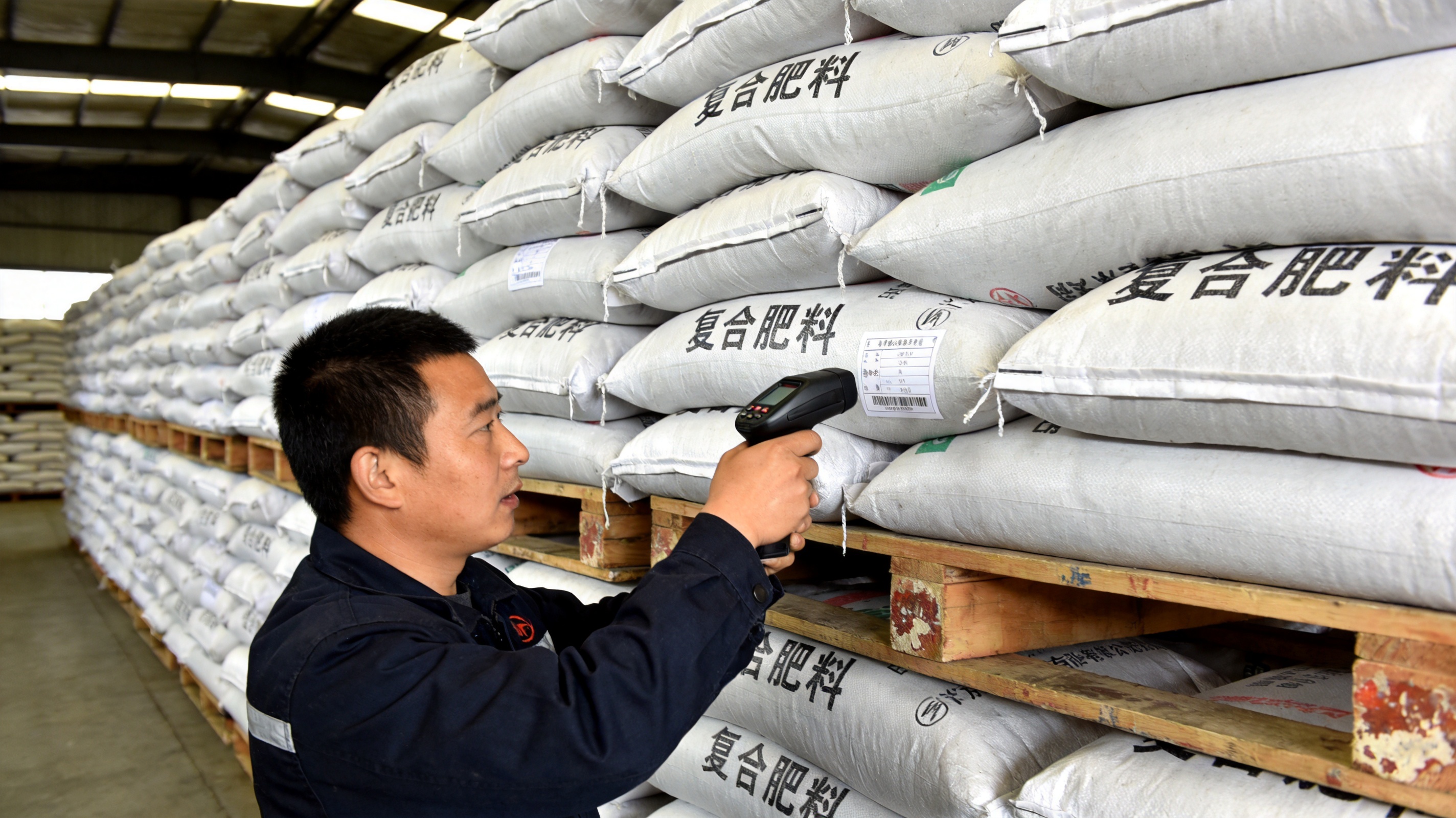
Conclusion: Procurement cost is not the "quoted price," but the "controllable comprehensive cost." Three common pitfalls: batch fluctuation (previous truck uniform, next truck powdered and caked); unstable delivery, missing the top-dressing window; no after-sales support, having to handle testing and replacement yourself.
These may not immediately lose money, but they will consume your credibility downstream. Cooperatives and large-scale growers care more about consistency, preferring to pay a little more to ensure "every batch is similar." So put "deliverability" on the table first, then negotiate price for greater stability.
Turn Fertilizer Wholesale into a "Deliverable Solution": From One Truckload to One Growing Season
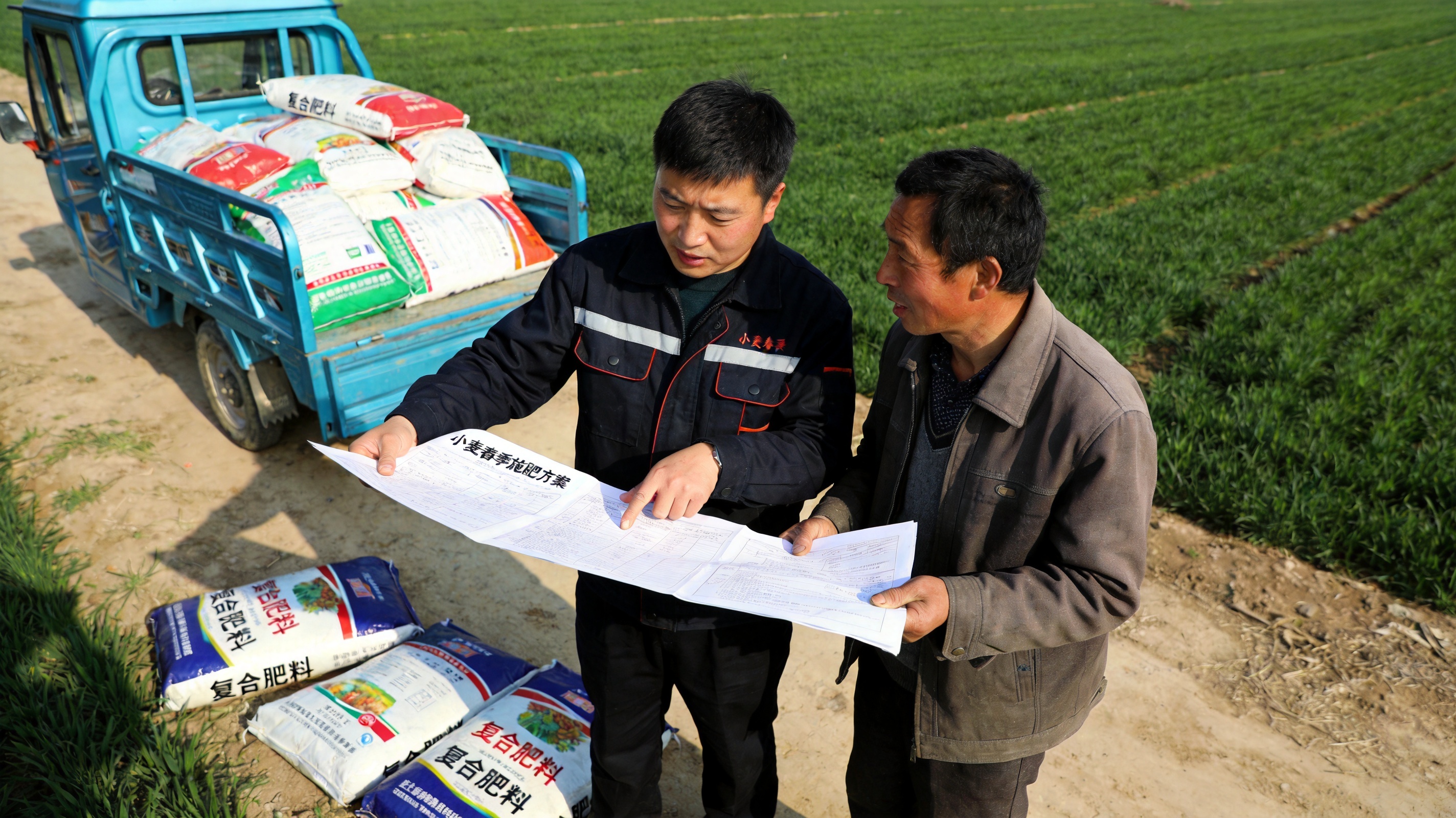
Conclusion: Good fertilizer wholesale is not just about supply, but about combining "product category + batch + timing + service" into a solution. When communicating with suppliers, ask directly based on this checklist; those who can answer clearly are generally reliable.
- Batch and Metrics: Execution standards, registration certificates/test reports, same-batch retention samples, how to control granularity and content fluctuation.
- Delivery Rhythm: Peak season production scheduling and safety stock, whether batch delivery can be arranged according to fertilization windows, how to handle urgent orders.
- Packaging and Anti-counterfeiting: Materials for ton bags/50kg bags, QR code traceability, anti-diversion, compensation standards for damaged packages.
- After-sales Boundaries: Arrival sampling inspection rules, dispute re-inspection process, determination and handling time limits for caking/pulverization.
- Payment Terms and Risk: Advance payment ratio, invoice rhythm and compliance, price locking and differential compensation rules.
When questions come down to details, those who only offer low prices often can't handle them; those who can are easier to negotiate with on price, because both parties are reducing uncertainty.
How to Break Down Core Selling Points in Agricultural Materials Wholesale: Tangible Experience
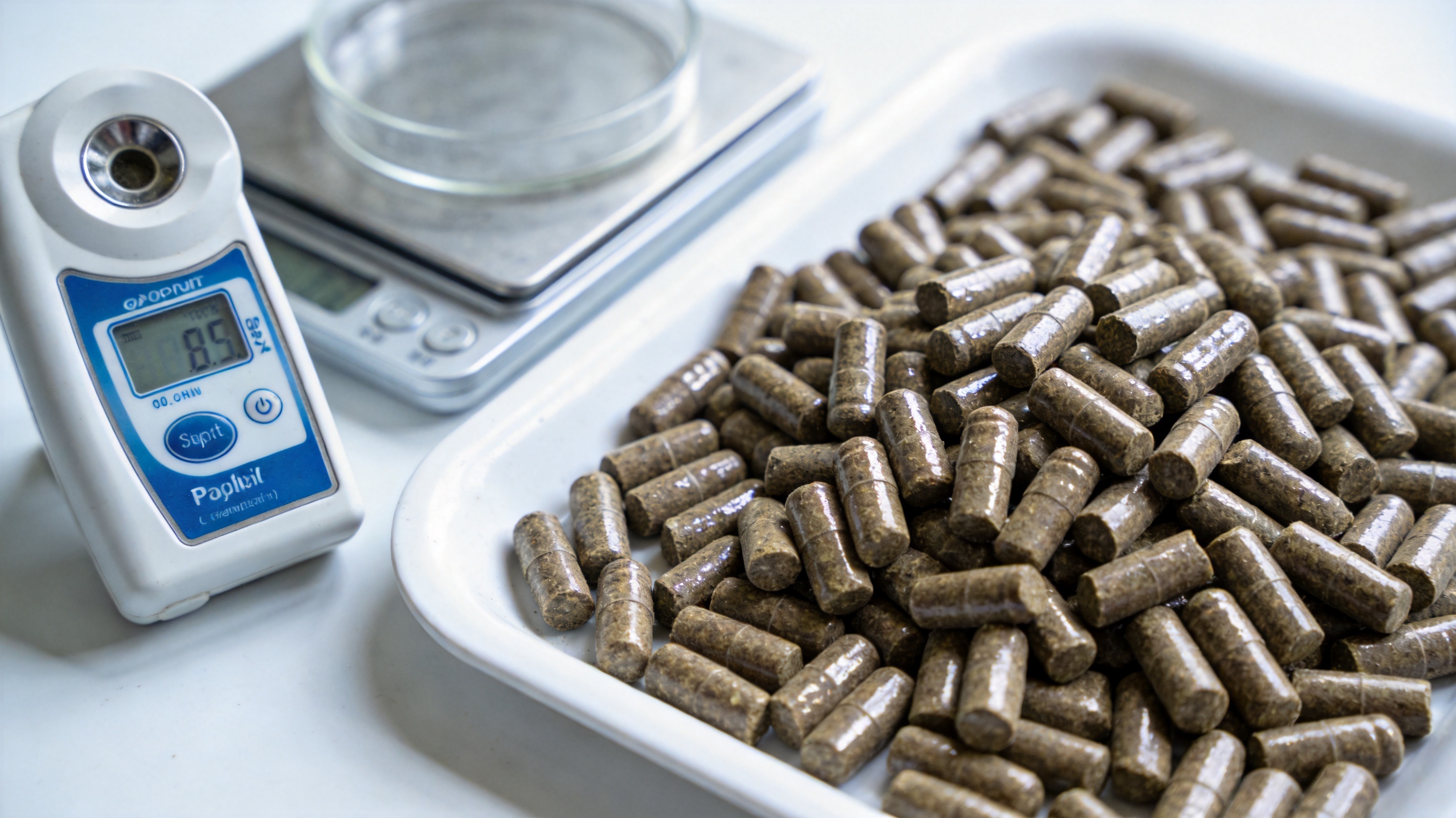
Conclusion: Don't let selling points stay on brochures; they should land on "verifiable and usable." The following items are immediately understood by customers and easiest to compare.
Fertilizer Wholesale Looks at "Stability" First, Then "Price"
Conclusion: Stability determines repeat order rate. Compound fertilizer with uniform granules and less powder doesn't clog machines; small content fluctuation means no need to frequently adjust dosage. You can request batch sampling inspection with records, and directly compare when the next batch arrives.
Look at "Delivery," Not Just "Shipment"
Conclusion: Delivery means "arriving at the time, place, and condition you need." Peak season worries include vehicles arriving but unable to unload, goods arriving caked, invoices not matching. Reliable suppliers will confirm routes and unloading conditions in advance, provide delivery confirmation forms and exception handling time limits, saving communication.
Turn Service into "Replicable Actions," Downstream Will Trust You More
Conclusion: The more standardized the service, the easier it is to lead your team. For example, a one-page fertilization recommendation, standardized answers to common questions, and the "four-step" delivery acceptance process make you appear more professional to clients and encourage long-term cooperation.
Where Positive Reviews Come From: Not Praised, But Saved
Conclusion: Most positive reviews come from "less hassle." Stable batches mean fewer complaints; phased delivery according to schedule reduces warehouse pressure; having a process for dispute re-inspection gives sales reps confidence to make promises and close deals. One greenhouse client said: "I don't mind paying a bit more, I just don't want it to be different every time." That's the essence of agricultural input wholesale.
Next Steps: Three Points to Secure Your Agricultural Input Wholesale Deal
Conclusion: Establish the rules first, then discuss pricing. You can open with this: First, "I need batch stability—how do you control variations and retain samples?" Second, "During peak season I need phased deliveries—how do you handle production scheduling and emergencies?" Third, "What's the process for delivery sampling and dispute re-inspection?"
If they can provide clear answers, document templates, and handling timelines, negotiating unit price, payment terms, and rebates will go much more smoothly. If you need me to help you conduct a supply chain benchmarking checklist, you can also send over the categories you regularly purchase, your region, and average monthly volume, and we'll go through the solution based on "deliverables."