In these 8 years of agricultural production materials wholesale, I've become increasingly certain: treating an "agricultural materials e-commerce platform" as merely a display window isn't enough—you need to treat it as delivery capability. Centered around agricultural production materials wholesale and fertilizer wholesale supply, I've distilled three things from my review—goods must be genuine, prices must be stable, and service must reach the fields; when these three points are solid, customers will naturally be willing to cooperate long-term.
Treat the Agricultural Materials E-commerce Platform as a Delivery System: What Customers Buy is "Delivery Certainty"
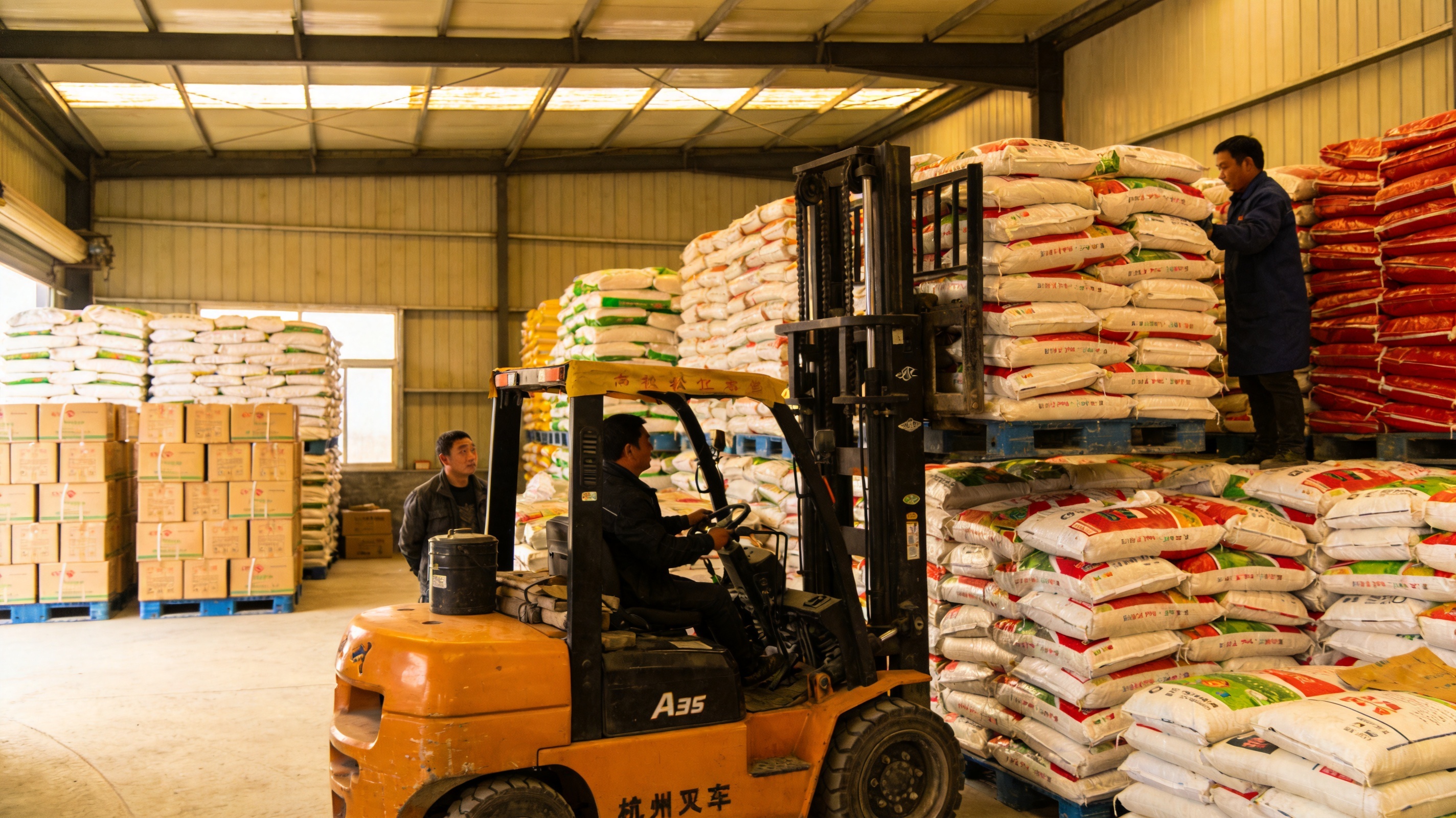
The first review point is straightforward: the core of an agricultural materials e-commerce platform isn't traffic, it's certainty. The moment a customer places an order, what they're thinking is "when will it arrive, is this the right batch, how will you replenish if there's a shortage"—not how fancy the page looks.
We later approached the platform as a "delivery system": same specification fertilizer, same batch, same warehouse shipment, reducing cross-shipment; every order can be traced to warehouse location, loading, and delivery confirmation. You'll find that once you clearly explain the delivery chain in agricultural production materials wholesale, prices no longer need daily explanation—customers keep their own accounts.
- Unified inventory standards: online displayed inventory must come from actual warehouse counts; better to sell less than "oversell".
- Batch traceability: outbound orders tied to batch numbers, facilitating customer quality and payment term management.
- Proactive delivery contingency plans: when facing weather or logistics fluctuations, provide alternative solutions and delivery windows first.
The Second Growth Point in Agricultural Production Materials Wholesale: Do "Payment Terms" and "Quality Control" Together

Second Review: After being in agricultural production materials wholesale for a long time, the competition is not about one-time cheapness, but about the trust built from the accumulation of three small things: payment terms, quality control, and reconciliation efficiency. Many customers don't mind paying a bit more; what they fear is "out of stock during the season, unstable quality in use, and accounts that don't match up at month-end."
We divide fertilizer wholesale supply into "standard orders" and "project orders." Standard orders follow fixed product categories, fixed price differentials, and fixed warehousing and distribution; project orders write crop type, acreage, and fertilization rhythm into the contract, locking down the delivery cadence. The benefit of this approach is: no chaos during peak season, controllable payment terms, and customers are more willing to entrust you with their annual volume.
Quality control doesn't play games: arrival sampling, sample retention, problem batch isolation, and when necessary, directly initiate replacement or return processes. The faster you handle it, the more you save on subsequent back-and-forth time, and the stronger the customer's perception of "reliability" becomes.
Fertilizer Wholesale Supply Must Create Differentiation: Services Shouldn't Stop at "Shipping," but Extend to "Using It Right"
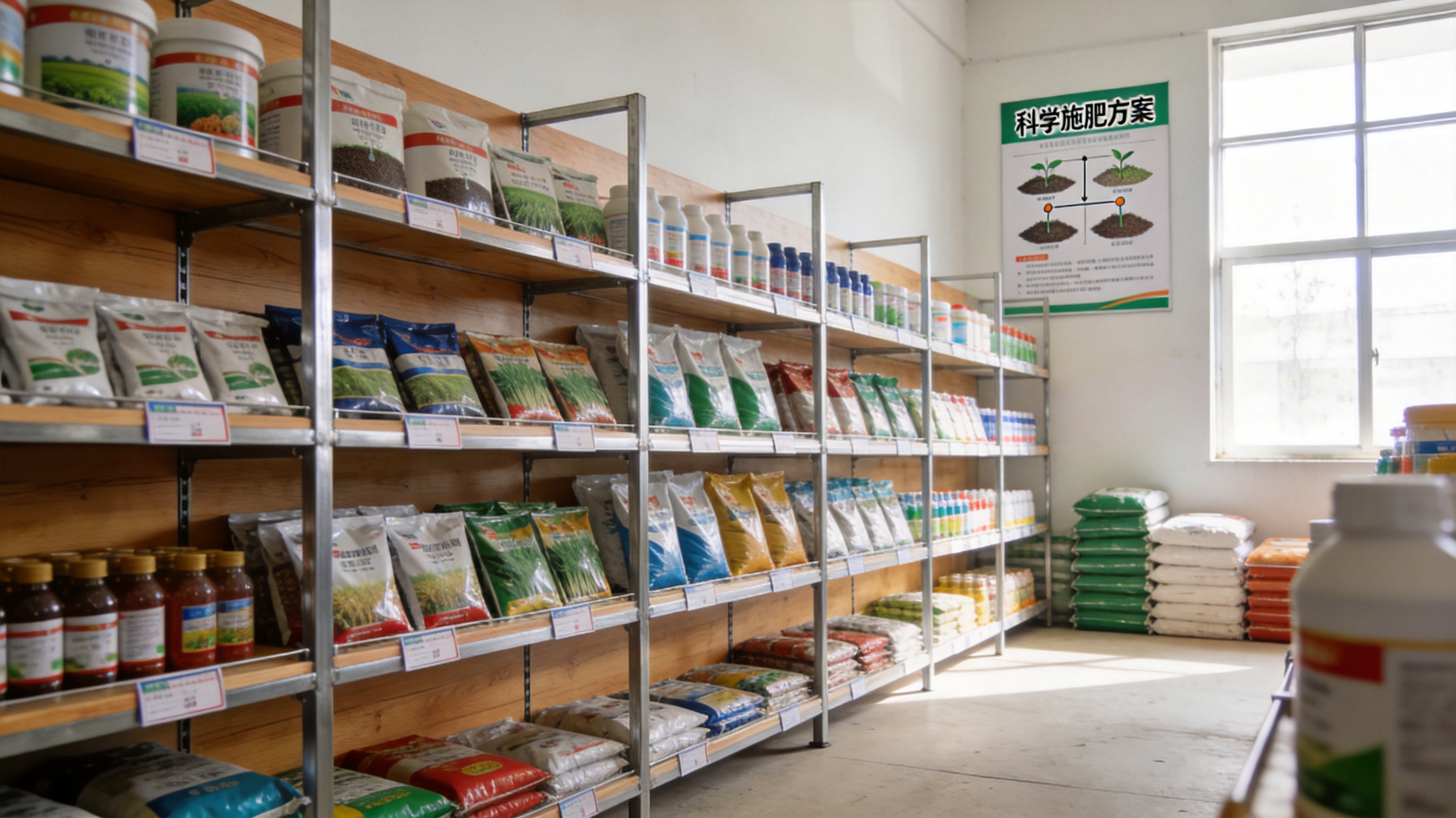
Third Review: If fertilizer wholesale supply wants to create differentiation, don't just focus on price per ton; you need to turn "using it right" into a service. What customers really care about is yield, quality, and stability, not how many SKUs you have in your warehouse.
Our approach is to break down services more specifically: provide crop solution templates on agricultural e-commerce platforms, with offline stores or sales staff doing secondary calibration; establish files for key customers, recording soil conditions, previous crops, and input intensity, and directly provide formula recommendations and usage ranges for the next season's repeat purchase. You'll find that when customers feel you're helping them spend money where it counts, cooperation becomes more stable and pricing discussions more rational.
- Conduct stock preparation communication 30 days before peak season: align demand by region and crop to avoid last-minute scrambling for goods.
- Perform a "usage confirmation" after arrival: align on four items—packaging, batch, quantity, and recommended usage.
- Close-loop problem resolution within the day: stop losses first for anomalies, then trace causes, and provide customers with clear handling milestones.
Looking back over these 8 years, the path of agricultural production materials wholesale is not mysterious: build the agricultural materials e-commerce platform into a traceable and deliverable system; manage both credit terms and quality control; advance fertilizer wholesale supply from "selling products" to "delivering results." If you are also looking for a more stable growth approach, it is recommended to start with a real inventory sheet, a batch traceability rule set, and an arrival confirmation process—build a solid foundation, and the scale will naturally follow.