Many people think that putting fertilizers, pesticides, and seeds into the same shopping cart is enough. When you get to the frontline, you'll find that to make online agricultural input transactions work, one-stop procurement needs to solve "matching products, matching prices, reconciling accounts, and managing risks"; while distributors recruiting franchisees care more about regional profits, sales support, and after-sales closed-loop. One-stop shopping often falls short not in the number of categories, but in the details of the transaction chain.
The "one-stop shopping" gap in online agricultural input transactions lies in the transaction closed-loop, not the webpage
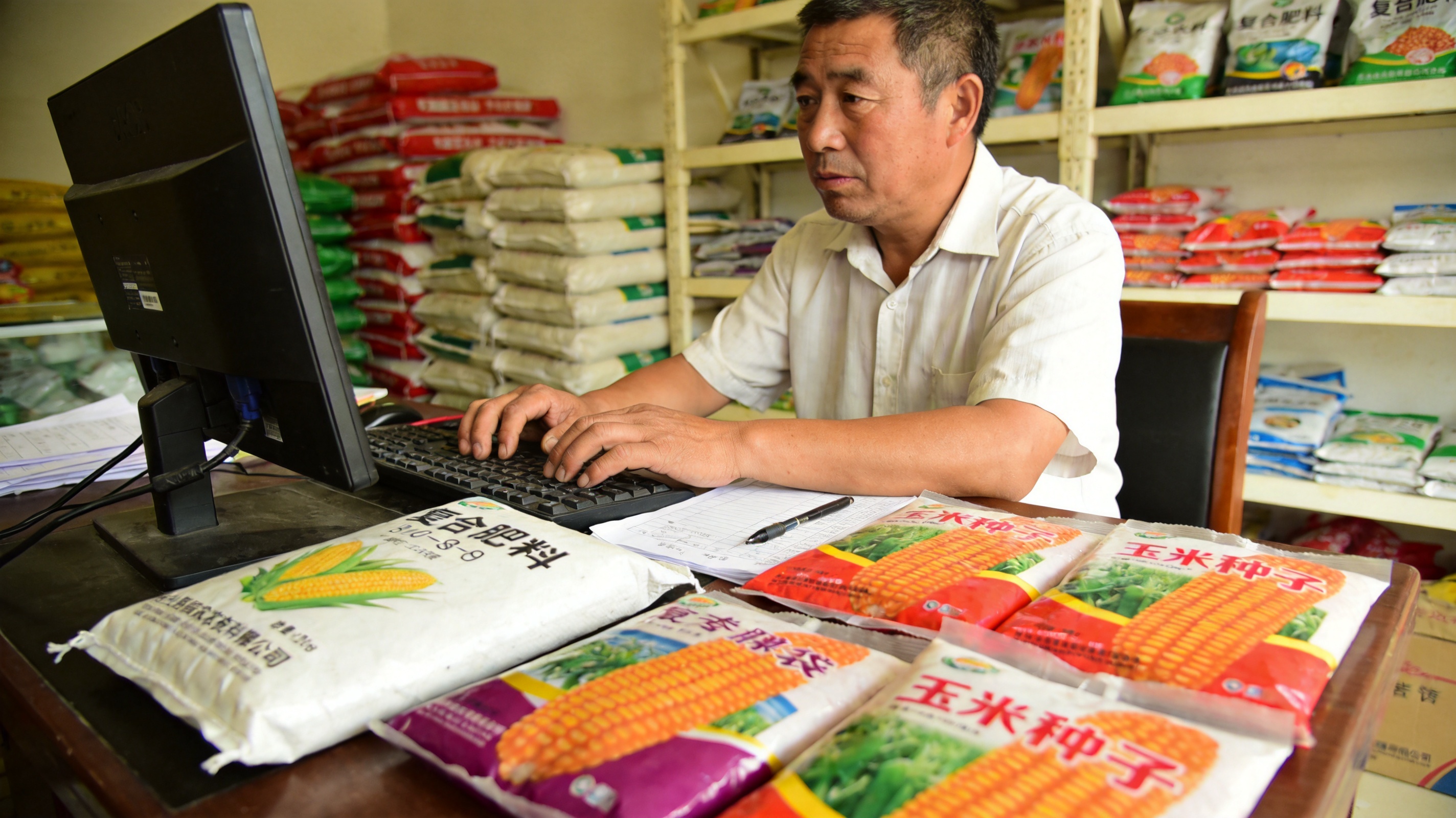
What really makes the difference is whether the platform can take procurement from "placing an order" to "usable, accountable, and traceable". During peak season, what you need is: when will it arrive, is it from the same batch, who takes responsibility if there's a problem.
Many so-called one-stop solutions: products are pieced together, accounts are separate, after-sales service passes the buck. Distributors would rather return to familiar channels. To win online, turn the offline "familiarity" into procedural certainty.
Make "product matching" a standard procedure: batches, credentials, traceability
One-stop procurement first needs to make customers confident in receiving and selling goods. Fertilizers depend on content and standards, pesticides depend on registration certificates, permits and expiration dates, seeds depend on batch numbers, quarantine and suitable regions. If you only display SKUs without binding batches and certificates to orders, customers won't feel secure.
- Display batch/production date/expiration date on order page, with downloadable electronic certificates.
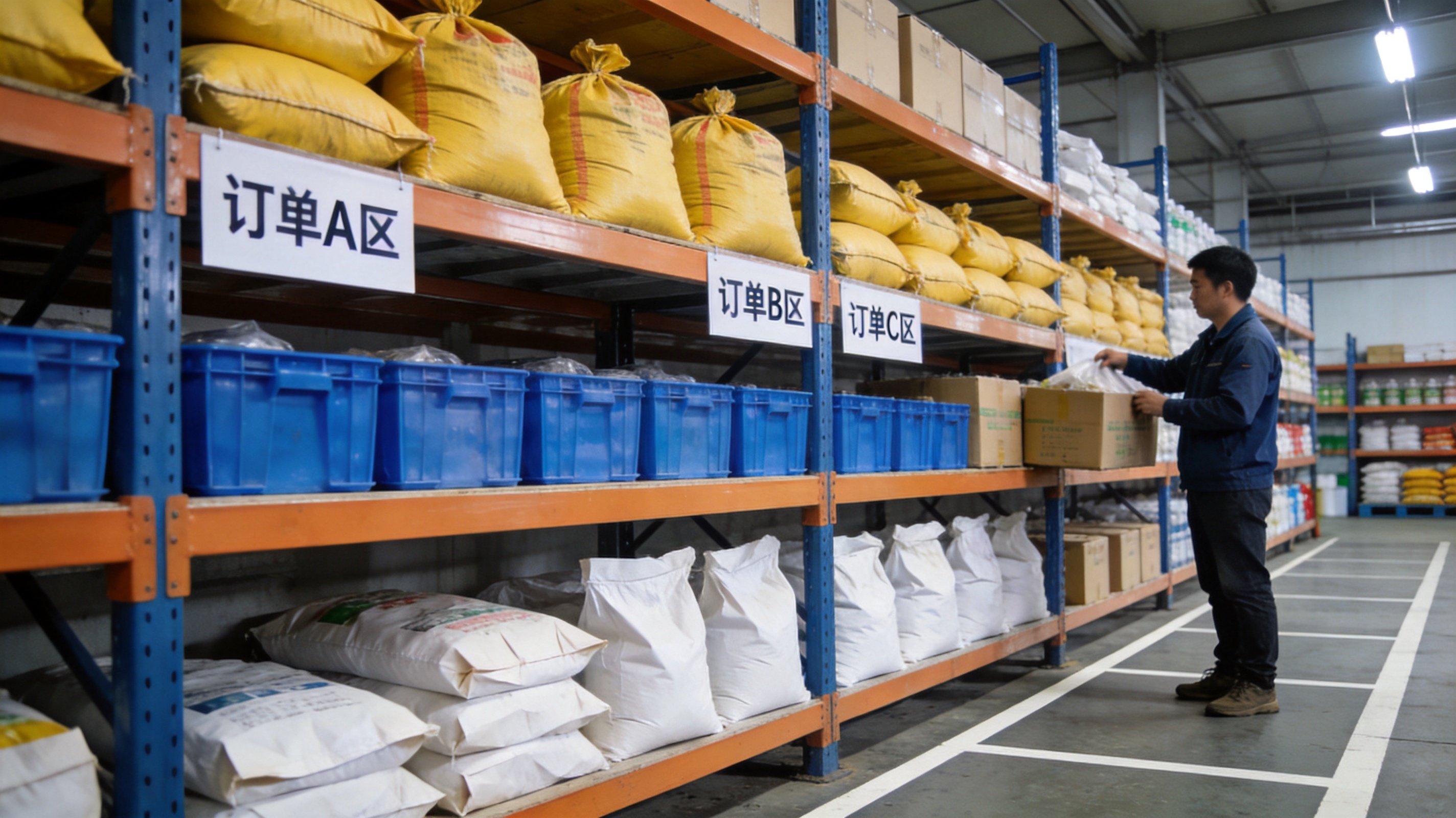
- Scan upon delivery to verify credentials and batch numbers, completing acceptance records upon unpacking.
- Support split shipment by batch within same order, avoiding passive reconfiguration to fill trucks.
The key to one-stop procurement of fertilizers, pesticides and seeds: don't make customers pay extra costs for "bundling"
One-stop service is not about stacking up product categories, but about saving customers time and reducing trial-and-error in a single procurement. What customers need are combinations centered around crops and solutions: such as corn topdressing + pre-emergence herbicide + density-tolerant seeds, with delivery aligned to the farming calendar.
Platforms that do well typically focus on three points: crop solution-based recommendations that are specific to specifications and dosages; a clear pricing system where dealers know where their margins come from; and fulfillment that allows split shipments but not split billing—batched deliveries are fine, but reconciliation remains on one invoice.
Pricing and rebates must be made clear: distributors fear most when accounts are unclear
Distributors calculate not only the purchase price, but also the promotion period, monthly or quarterly rebate settlements, cross-regional sales definitions, and whether returns and exchanges deduct subsidies. Clarifying the rules and automatically generating reconciliation statements in the system is more effective than simply saying "competitive pricing".
Agricultural input distributors looking at investment opportunities focus on replicable profit models, not slogans
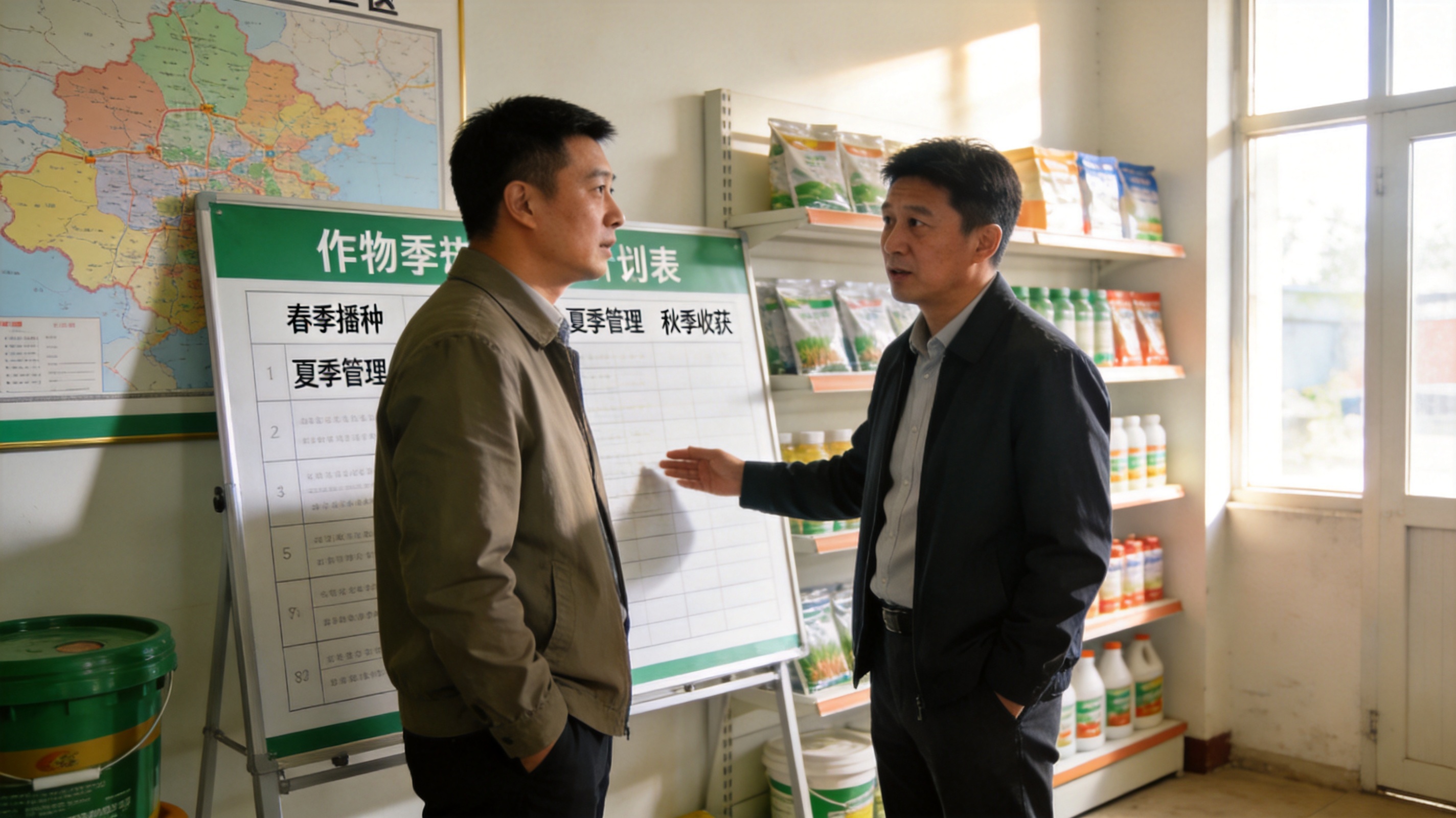
To succeed in investment recruitment, the core is to provide stores with actionable operational tools: which categories drive traffic, which categories generate profit, and which categories drive repeat purchases. Simply asking stores to "stock more" is unsustainable; what is sustainable are sales activation methods and risk boundaries.
Investment recruitment comes down to three things: selecting the right region (planting structure and competitors), matching the right product portfolio (a focused set of primary offerings), and connecting services (agronomic support, after-sales, compliance). If the platform can provide regional bestseller data, compliance alerts, and rapid restocking during peak season, distributors are more willing to engage in long-term cooperation.
Building agricultural input online transactions into a "dependable" one-stop solution starts with three steps
To succeed in online transactions, don't rush to expand product categories. First, solidify your foundational capabilities: make it easier for customers to place orders with confidence, better cost calculation, and better sales. Achieve these, and one-stop procurement will become sticky, making merchant recruitment negotiations smoother.
- Standardize the "acceptance + reconciliation" process: batch certificates, electronic delivery notes, and automatic reconciliation statements.
- Build a "crop solution-based product portfolio": focus on the top three local crops and clearly explain specifications, usage amounts, and combinations.
- Complete "regional operational support": integrate price protection, rebate rules, and after-sales service timelines into the system with tracking capabilities.
When evaluating a platform or project, take a real order and go through each step from placement to returns and exchanges for verification. Only when these details run smoothly are you qualified to talk about scale; only when rules and support are implemented into daily store operations will partnerships become increasingly stable.