Online agricultural input trading is not about moving offline stores "into mobile phones." The real difference it creates lies in procurement certainty and service continuity: when buying from the same agricultural input B2B wholesale channels, online platforms make it easier to achieve transparent pricing, traceability, and tracking; only when one-stop procurement of fertilizers, pesticides, and seeds runs smoothly can you truly manage farming seasons, costs, and risks together. Below, I'll thoroughly explain the differences based on actual procurement scenarios.
Online Agricultural Input Trading: The Difference Isn't Distance, It's "Certainty"
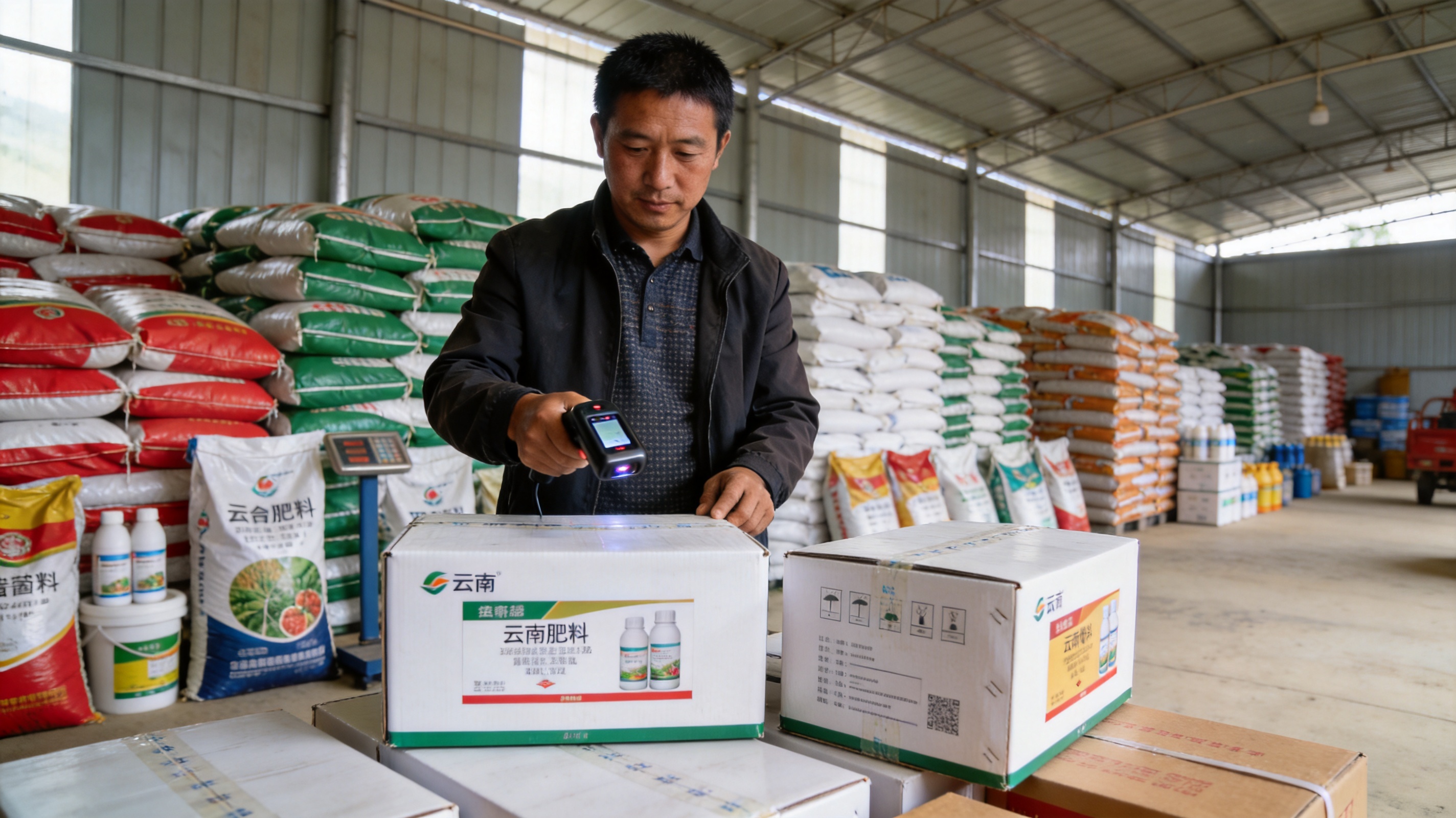
The real dividing line between online and offline is whether you can clearly answer "whose batch is this, where did it come from, and when will it arrive."
Offline procurement relies on acquaintances and experience; when efficient, it's very efficient, but during spring plowing, topdressing, or peak pest and disease periods, once traffic jams or supply tightens, information easily becomes "about right." When done properly online, orders, batches, and logistics nodes are all laid out transparently, making procurement decisions more solid without relying on gut feelings.
Three Things Customers Care About Most: Genuine Products, Transparent Prices, Reliable Delivery
For large-scale growers and cooperatives, procurement isn't just "getting it bought," but "buying right and buying stable." On deeply-rooted platforms like Luquan Agricultural Input Network, certainty mainly comes down to these three points:
- Clearer supply chain: direct factory procurement and supply, traceable batches, verifiable quality, reducing worries about unclear origins.
- Better price negotiation and calculation: transparent pricing facilitates cross-comparison and usage budgeting, without relying on "on-the-spot bargaining."
- Delivery aligned with farming seasons: local warehousing + distribution network, even remote villages can be arranged, with priority delivery guaranteed during critical farming periods.
Agricultural Input B2B Wholesale Channels: The Difference Isn't How Cheap, It's "Stable Supply"
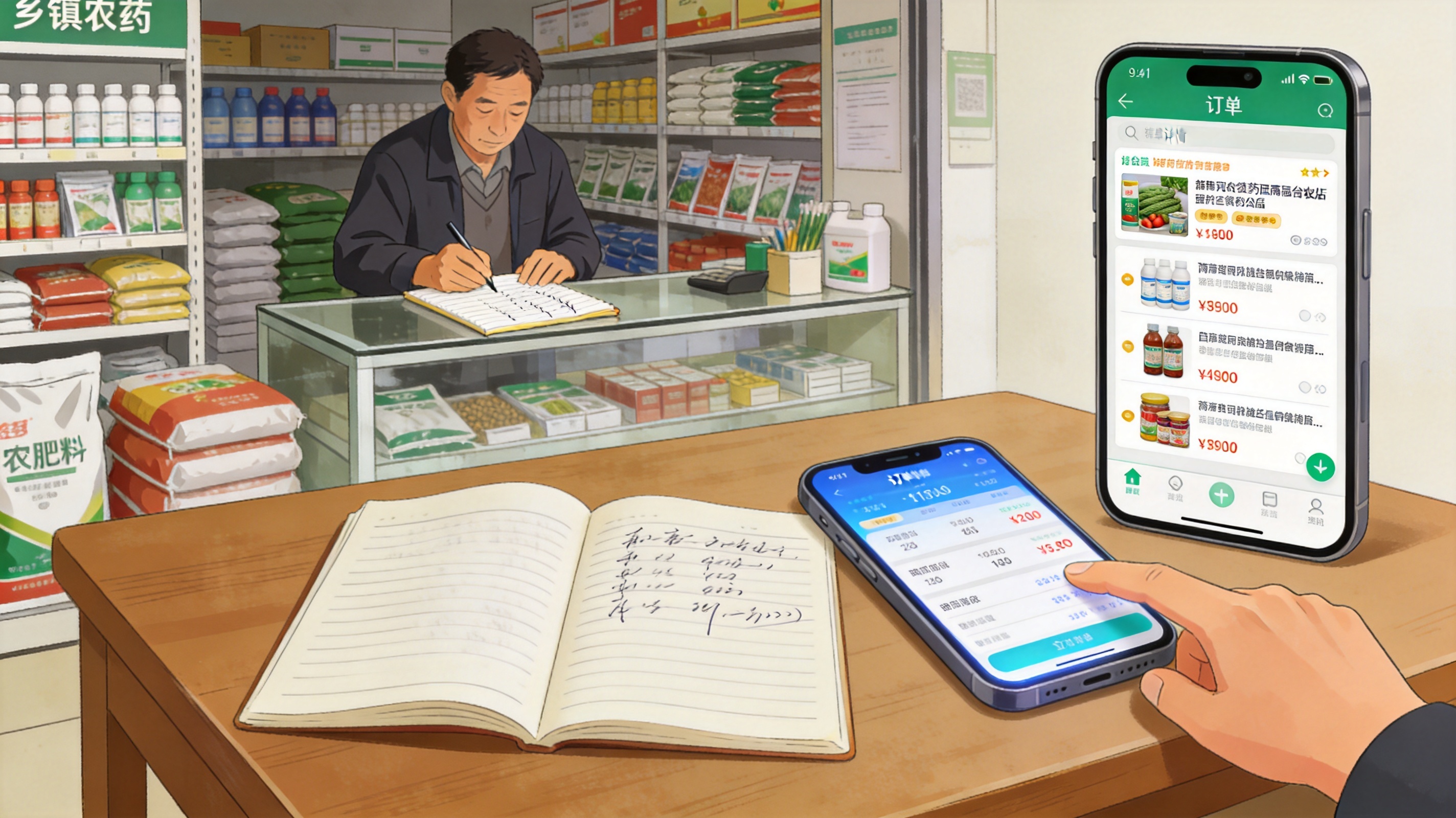
The key to successful B2B wholesale is not pushing unit prices to the limit, but stabilizing supply rhythm and minimizing stockout risks.
The advantage of offline channels is flexibility: if you need two extra bags of fertilizer or an additional bottle of pesticide on short notice, the shop owner can arrange it immediately. But when you need to "stock up in batches and systematically," offline channels tend to have two problems: first, different product categories are scattered across different sources; second, prices and inventory fluctuate with market conditions, forcing your plans to adjust passively.
Luquan Agricultural Materials Network, backed by the supply system of Luquan Nongfeng Agricultural Production Materials Co., Ltd., maintains long-term deep cooperation with leading enterprises like Yuntianhua. What they do is stabilize the source: abundant supply, one-click bulk purchasing, allowing procurement managers to organize "this week's arrivals, next week's usage, next month's inventory" into schedules.
One-Stop Procurement of Fertilizers, Pesticides, and Seeds: The Difference Isn't Saving a Few Steps, It's "Implementable Solutions"
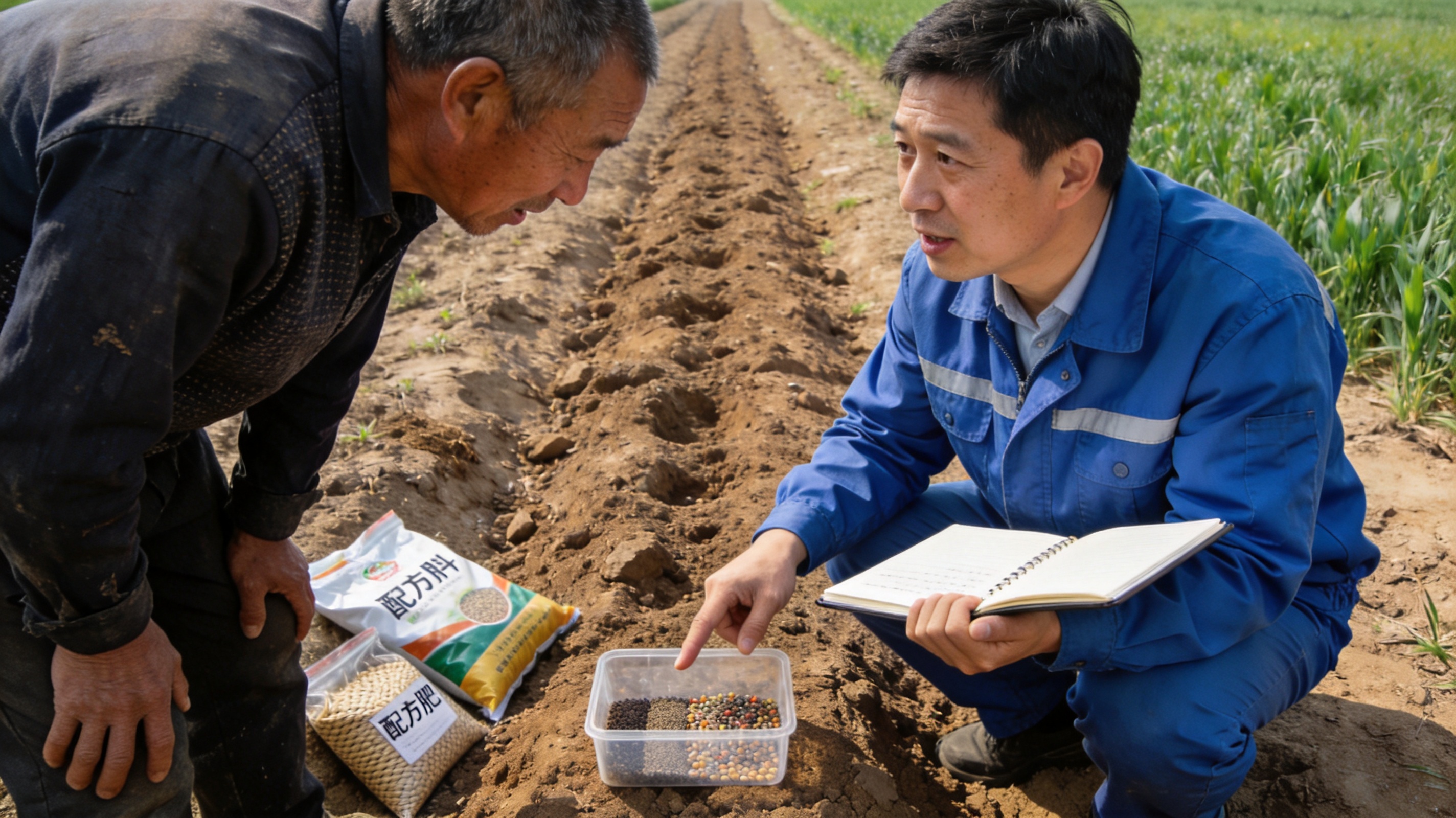
The value of one-stop procurement isn't saving you two store visits, but turning "what to buy, how to use it, who to contact if problems arise" into a closed loop.
In the agricultural materials industry, what really costs money is often not the unit price, but mismatched combinations, incorrect usage, and delayed farming seasons. If platform-based services only sell products without providing technical support, customers will quickly feel "might as well ask the offline shop owner." Luquan Agricultural Materials Network's approach is more like how veteran agricultural materials dealers operate: on the front end, they stock a full range of categories including fertilizers, pesticides, seeds, agricultural films, and farm equipment; in the middle, they have an agricultural technical team for online consultation, with complex issues also supported by offline services; on the back end, they've connected agricultural product exhibition and sales channels to help local farm products reach beyond the village and mountains.
How to Choose: Switching from "Sourcing Method" to "Business Operation Method"
If you only make a few scattered purchases a year, offline familiar channels are certainly convenient; but as soon as you start calculating cost per acre, timing windows, and capital tied up in bulk stockpiling, online agricultural input transactions become more suitable—they transform procurement from "on-the-spot reactions" into "planned execution."
My advice for getting the hang of agricultural input B2B wholesale channels is simple: start with online ordering and bulk stockpiling for commonly used categories, then streamline one-stop procurement of fertilizers, pesticides, and seeds, and finally integrate agronomic consulting and after-sales service into your daily workflow. Local-rooted service platforms like Luquan Agricultural Inputs Network (lqnzw.cn) that can also radiate to surrounding areas do exactly this—making every season's investment clearer and more secure.