When buying seeds, the difference often lies not in the words "online," but in which type of online agricultural input trading method you choose: is it temporary ordering based on price comparison, or treating the one-stop procurement of fertilizers, pesticides, and seeds as a traceable, reconcilable, and repurchasable supply chain operation. Below, I'll thoroughly explain the differences and how to choose based on real procurement scenarios.
The Gap in Online Agricultural Input Trading Starts with "Whether You Can Keep the Accounts Clear"
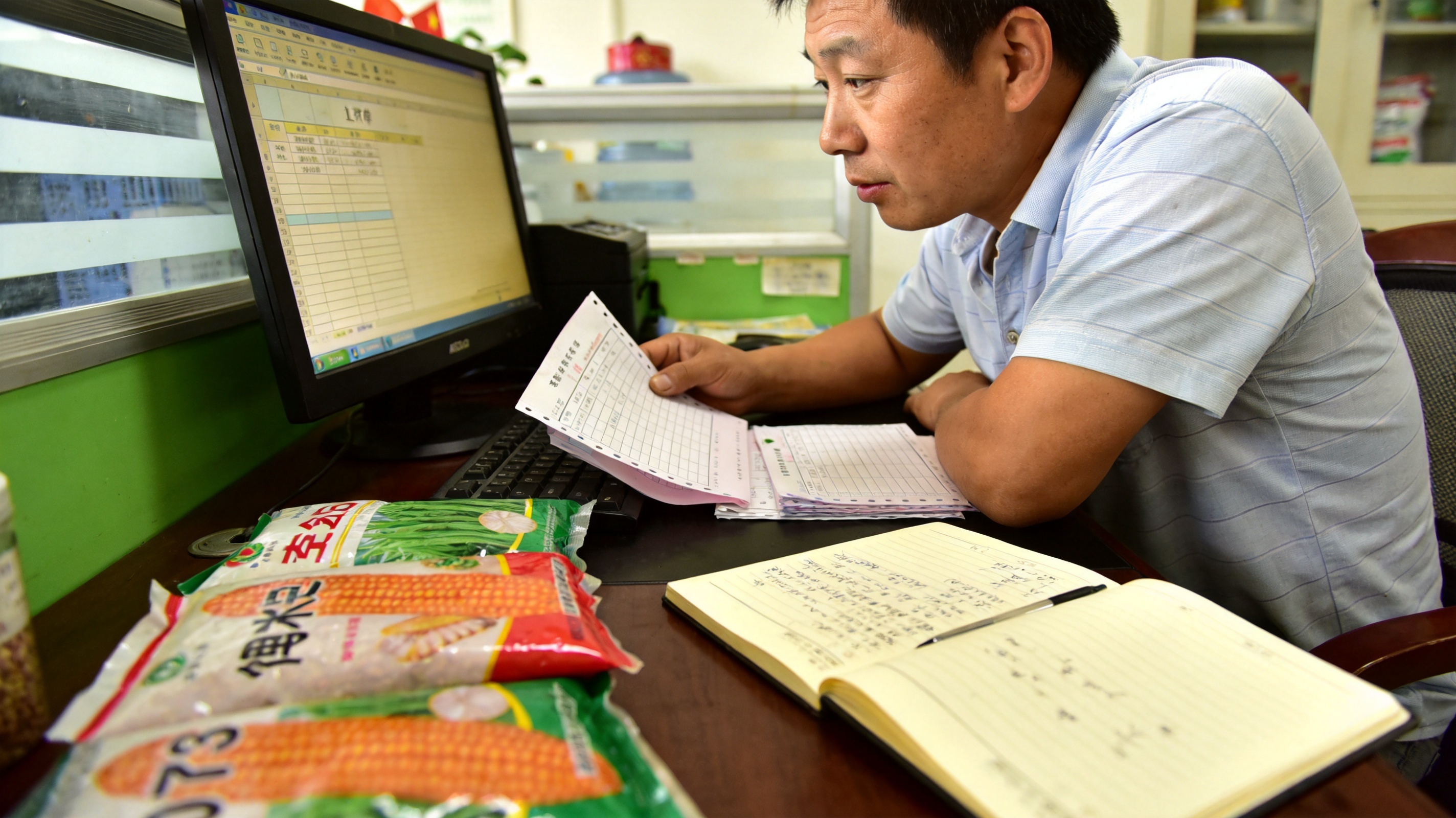
To judge whether an online channel is reliable, I first look at whether the reconciliation process is smooth: can orders, invoices, logistics, and batch information be matched with one click.
Many people think online saves trouble, but the real hassle comes later: buying seeds from three different suppliers in the same season, with different payment methods, inconsistent invoice headers, and goods arriving at different warehouses without batch labels—by month-end, reconciliation is like "piecing together a puzzle." Well-executed online agricultural input trading connects "ordering—receiving—warehousing—reconciliation—repurchase" into one seamless process, saving procurement staff overtime and giving bosses more confidence to scale up.
Complete Key Fields to Avoid Pitfalls Later
When placing procurement orders, information must be clearly specified. Whether the platform supports these fields basically determines your subsequent management costs.
- Batch/production date/inspection information: at minimum, should be linked to orders for traceability when issues arise.
- Receiving warehouse/plot/project number: goods can be allocated to destinations upon arrival, without relying on human memory.
- Invoice and payment terms: can follow contract accounting, reducing disputes over "advance payment and later reimbursement."
- After-sales entry and response time: who takes the order, how records are kept, and response timeframes should be clear.
One-Stop Procurement of Fertilizers, Pesticides, and Seeds: Real Value Lies in "One Less Coordination"
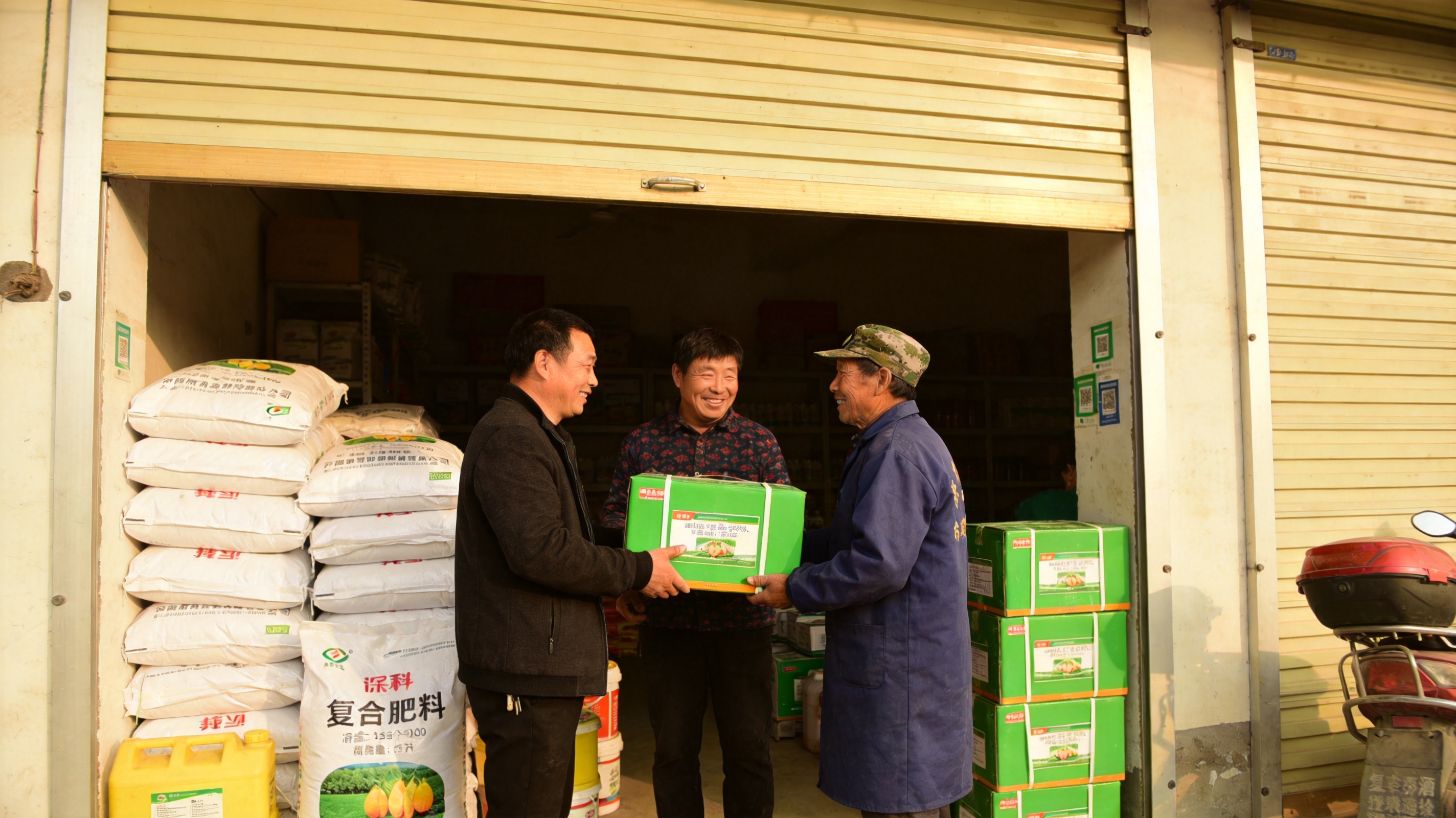
One-stop service doesn't mean piling products on the same page; it means reducing coordination costs in procurement: one less communication means half a day less delay on site.
Here's a common scenario: seeds arrive first, fertilizer comes three days late, and the planting window gets compressed; or pesticides arrive in inconsistent specifications, requiring emergency replenishment that needs re-approval. If one-stop procurement of fertilizers, pesticides, and seeds is done solidly, it provides certainty in "delivery rhythm, alternative solutions, and inventory visibility": advance shortage alerts, lists of alternative models, and batch delivery plans mean procurement no longer relies on luck.
Check whether the platform truly understands "farming season" rather than just selling goods
I usually ask three things; those who can answer are basically hands-on teams.
- Can inventory be locked during peak season: whether quotas are provided, how long they're locked, and what the locked price rules are.
- How delivery commitments are written: by day or by district/county, how delays are handled, and whether backup warehouses exist.
- How combined procurement is configured: whether seed + base fertilizer + weed control solutions can be managed in one order, without making you piece it together yourself.
When buying seeds, the difference lies in "how risks are managed"
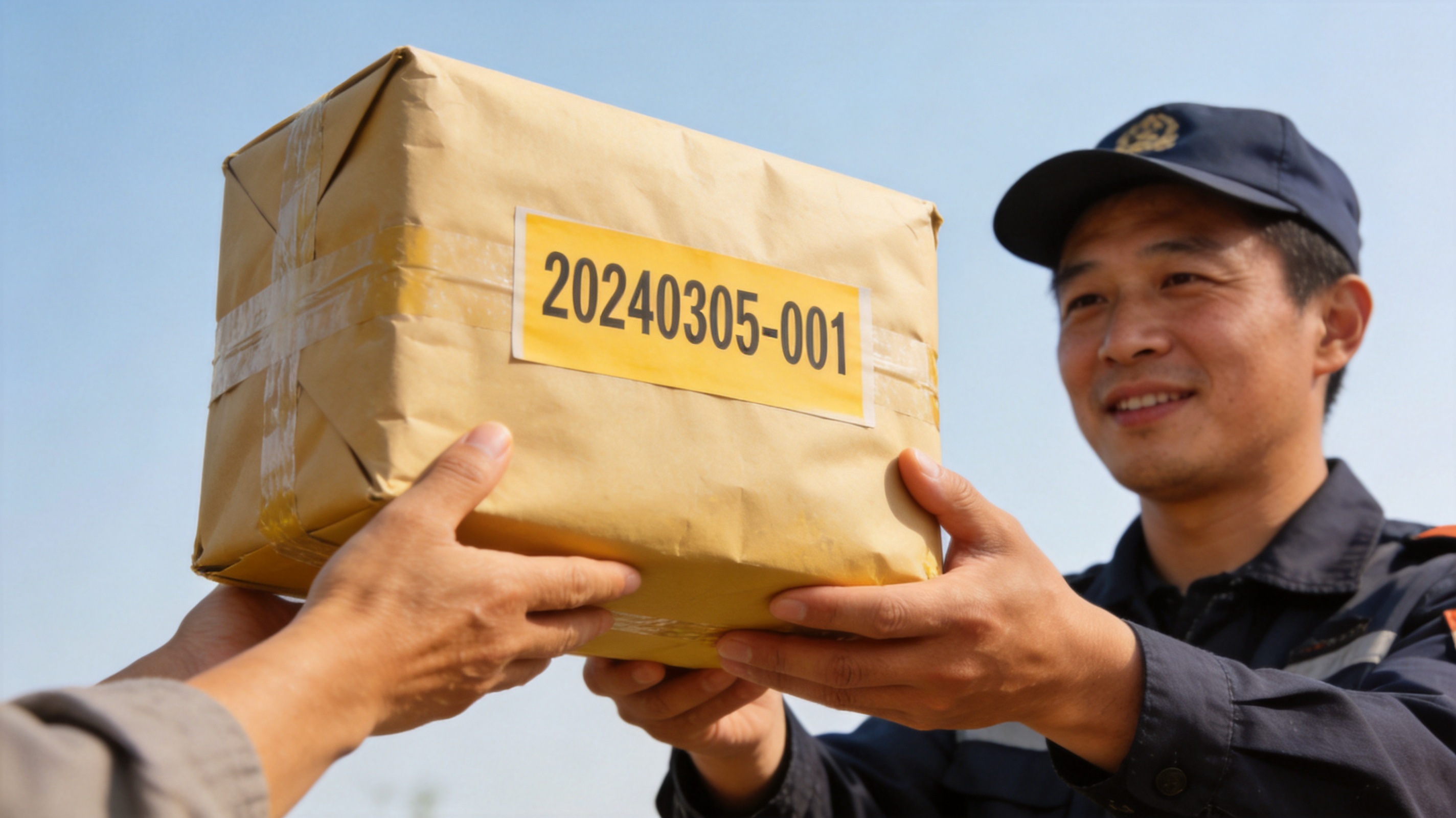
Buying seeds online isn't inherently more stable; what's stable is whether risk control measures are proactive: whether selection, inspection, sampling, and after-sales evidence chains are complete.
Experienced procurement teams treat "delivery inspection" as a process rather than improvisation: first photograph and archive outer packaging seals, quantities, and batch number consistency; conduct spot checks on germination rate/purity indicators as agreed; report issues through platform work orders for documentation. This isn't about nitpicking, but about making both parties worry-free and facilitating smoother repeat purchases.
Treating online agricultural input trading as a long-term capability yields more stable returns
If you want to save more effort next season, I suggest starting with a "standard procurement list" to consolidate commonly used categories, specifications, delivery points, and invoicing information, then gradually transition to one-stop procurement of fertilizers, pesticides, and seeds, allowing the platform to supply, reconcile accounts, and facilitate repeat purchases according to your pace.
What's the real difference with buying seeds through online procurement? The difference lies in whether you can use a traceable, reconcilable, and executable process to turn online agricultural input transactions into a routine operational capability.