In 2026, succeeding in agricultural input online trading is not about "moving products online," but about building agricultural input B2B wholesale channels into controllable, reusable models: stable pricing, traceable fulfillment, and clear payment terms. Below are 3 trends with corresponding practices and implementation paths.
Pain Point Scenarios: Agricultural Input B2B Wholesale Channels Are Shifting from "Relying on Relationships" to "Relying on Systems"
Channels remain, but the game has changed—customers want certainty. The three most common bottlenecks for distributors are: multiple prices for the same product, shortages and wrong shipments despite urging during peak season, and tight cash flow despite profits when payment terms extend.
These signals indicate: it's time to upgrade from "relationship-based chains" to "digital chains." Once online trading runs smoothly, existing customers become more stable, and new customers are more willing to place their first orders.
Product Solutions: Use a Configurable Agricultural Input Online Trading Platform to Streamline Channels
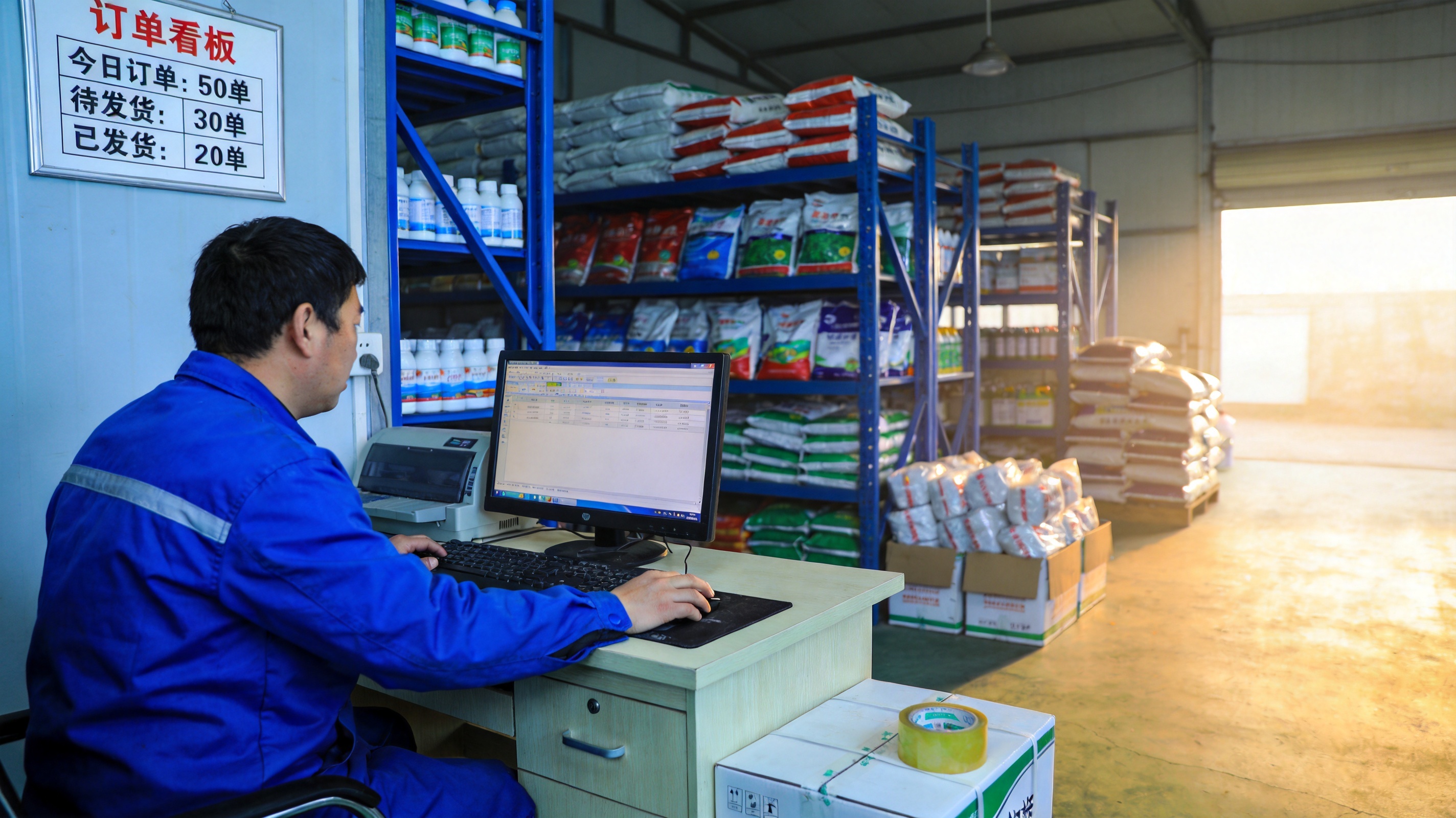
The platform is not an "e-commerce website," but a system that connects ordering, pricing, inventory, fulfillment, and reconciliation into one streamlined process. Focus on three key capabilities: tiered pricing and policies, traceable fulfillment chains, and automatically accumulated reconciliation data.
Recommendation: start small—first launch standard ordering for high-frequency products, then gradually digitize promotions, rebates, and payment terms. This approach neither disrupts sales staff nor immediately improves efficiency.
3 Trends and Practices: The "Certainty" Agricultural Input B2B Wholesale Channels Need to Capture in 2026
Trend 1: Agricultural Input Online Trading Moving from "Price Inquiry" to "Tiered Pricing + One-Click Ordering"
Turn pricing into rules to enable scalability. Customers don't lack price comparisons; what they lack is a clear answer to "what's the exact price for my tier and what policies can I access."
- Customers are segmented by district/county, sales volume, and payment collection, with bound price lists and policy visibility. Sales representatives focus primarily on maintenance.
- Promotions are converted to automatic order triggers: volume-based rebates, bundled gifts, tiered pricing—the system calculates and displays directly.
- "Available inventory" is displayed: pre-sale, in-transit, and transferable stock are separated to reduce verbal commitments.
Trend 2: Agricultural Input B2B Wholesale Channels Compete on Fulfillment—Whoever Can "Deliver by Batch" Is More Reliable
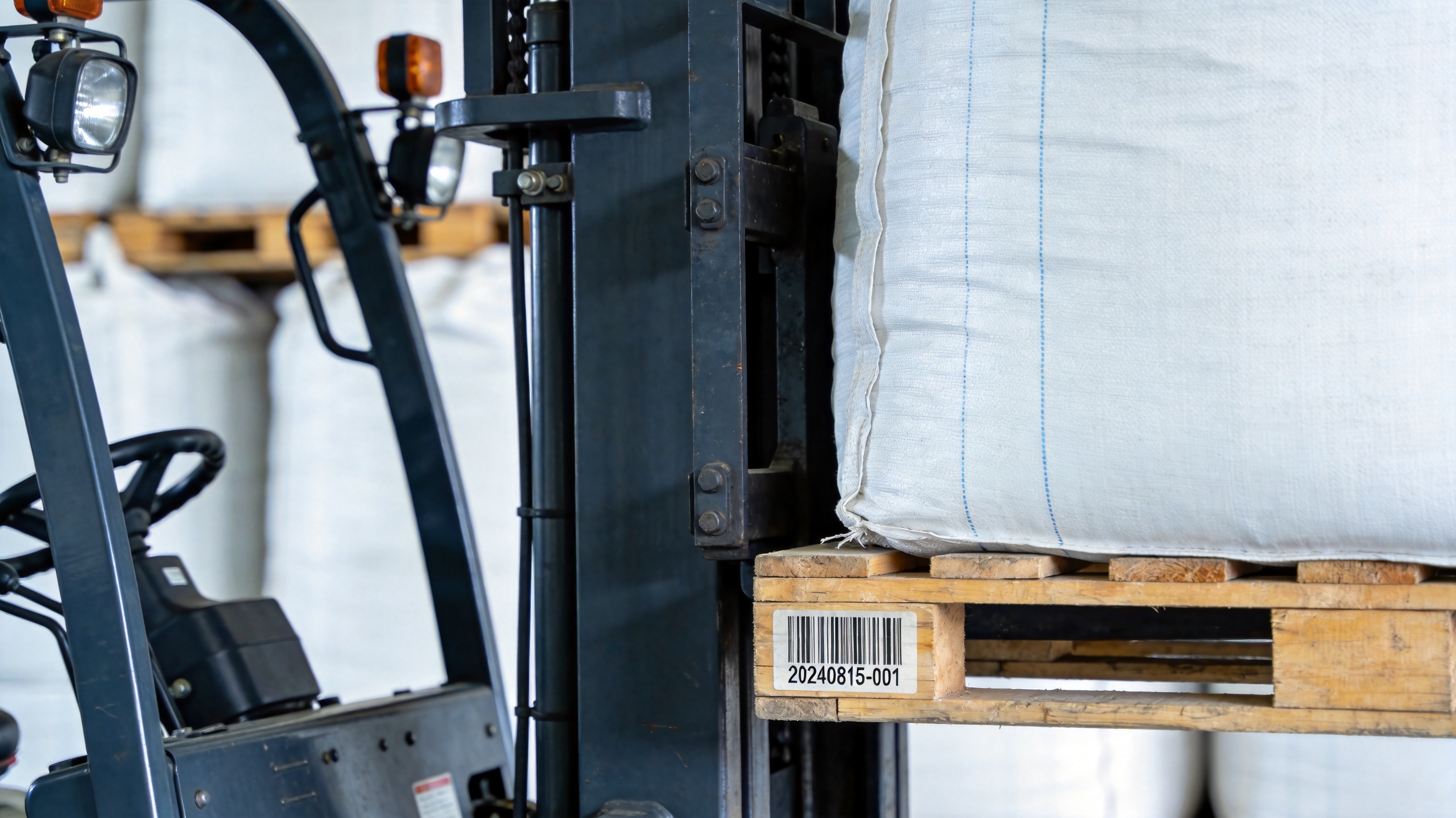
During peak season, high order volume isn't the concern—uncontrollable delivery is. Solid fulfillment is what makes customers willing to place their planned volumes with you.
Approach: Break orders down into warehouse operation sheets, ship by batch barcode; logistics nodes feed back data so customers can see "picking/loading/in-transit/signed" on their phones. When out of stock, the system provides alternative solutions (same specification, same active ingredient, same registration certificate scope), reducing communication costs.
Trend 3: From "Credit Terms Based on Memory" to "Online Reconciliation + Risk Control Credit Limits"
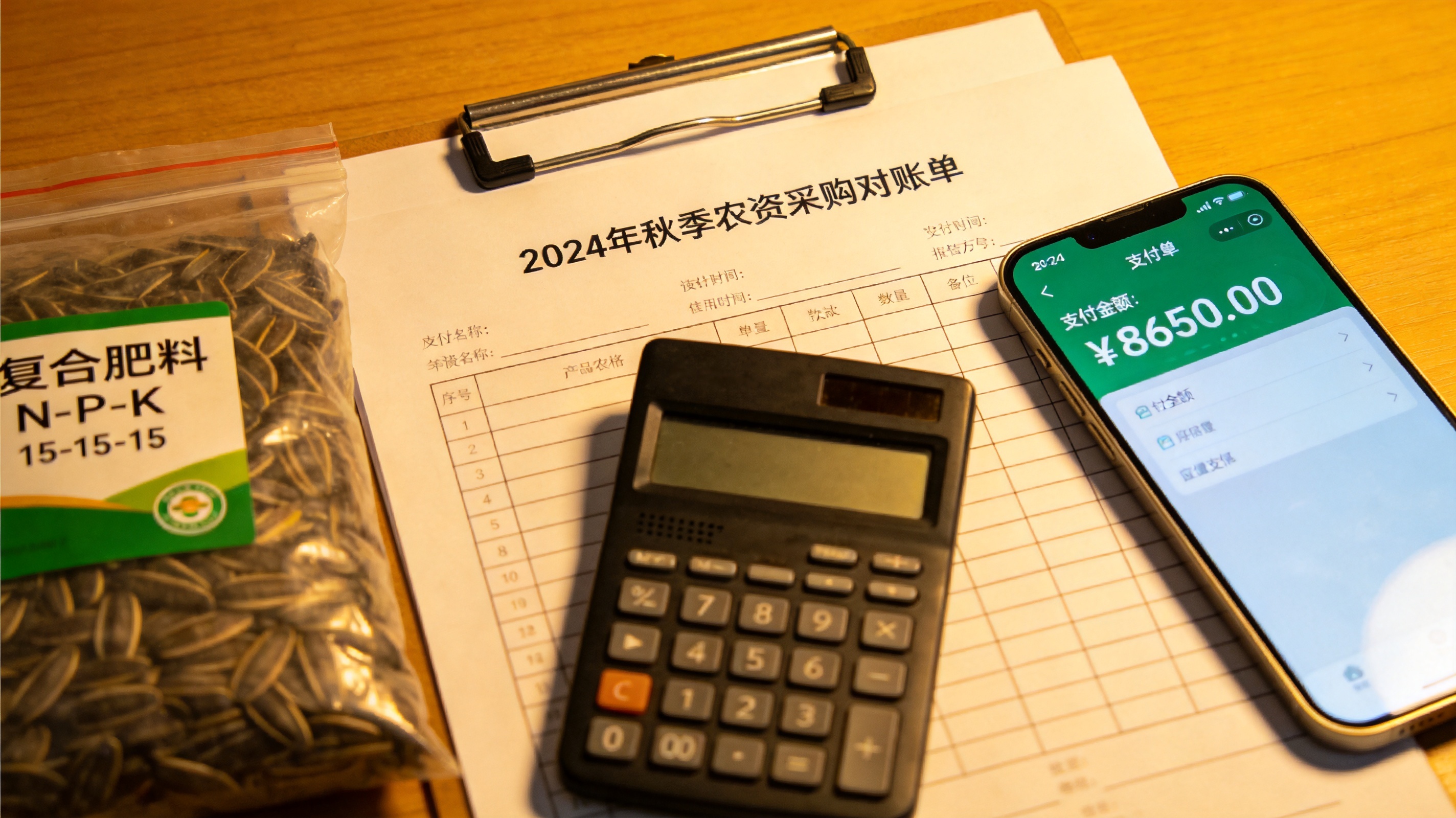
Stable cash flow gives channels the confidence to expand. Rather than squabbling over year-end reconciliation, clear up receivables, rebates, and deductions throughout the process.
Three things go online: orders—invoices—payments are automatically linked; dynamic credit limits and overdue reminders work in tandem with order restrictions; rebate rules are written into the system, automatically generating quarterly reconciliation statements to reduce explanation costs.
User Testimonials: Channel Efficiency Gains Come from "Less Wrangling, More Deals"
A county-level distributor said: "Before, I'd spend half a day replying to WeChat messages with quotes; now customers place orders themselves, and I only monitor exception orders and key accounts." A crop protection products customer also reported: No more group chats for month-end reconciliation, finance shifted from chasing payments to verification, and sales reps are more confident discussing repeat purchases.
These changes are essentially about clarifying rules and leaving a process trail. Once habits are formed, customer stickiness will naturally increase.
Call to Action: Start with One Category, One Region, and Get Agricultural Input Online Trading Up and Running
To drive the upgrade of agricultural input B2B wholesale channels, don't try to do everything at once: first select "high-frequency products + strong repurchase," pair them with tiered price lists and online reconciliation, and get it running within 30 days; then add fulfillment tracking and credit risk control. Orders become cleaner, sales representatives act more like consultants, and customers are more willing to commit planned volumes. If needed, we can create a comparison checklist based on your existing processes and break down the launch steps into weekly actionable tasks.