In 2026, when purchasing facility agriculture supplies, more and more people regard "online agricultural input trading" as the main battlefield: wholesale procurement of agricultural machinery and equipment competes on delivery, greenhouse materials compete on solution matching, seed and seedling wholesale competes on batch and traceability, and platform investment attraction determines whether you can sell goods far with lower communication costs. Below are 3 trends and implementation points based on frontline pace.
Trend 1: Online agricultural input trading shifts from "price comparison" to "delivery and traceability comparison"
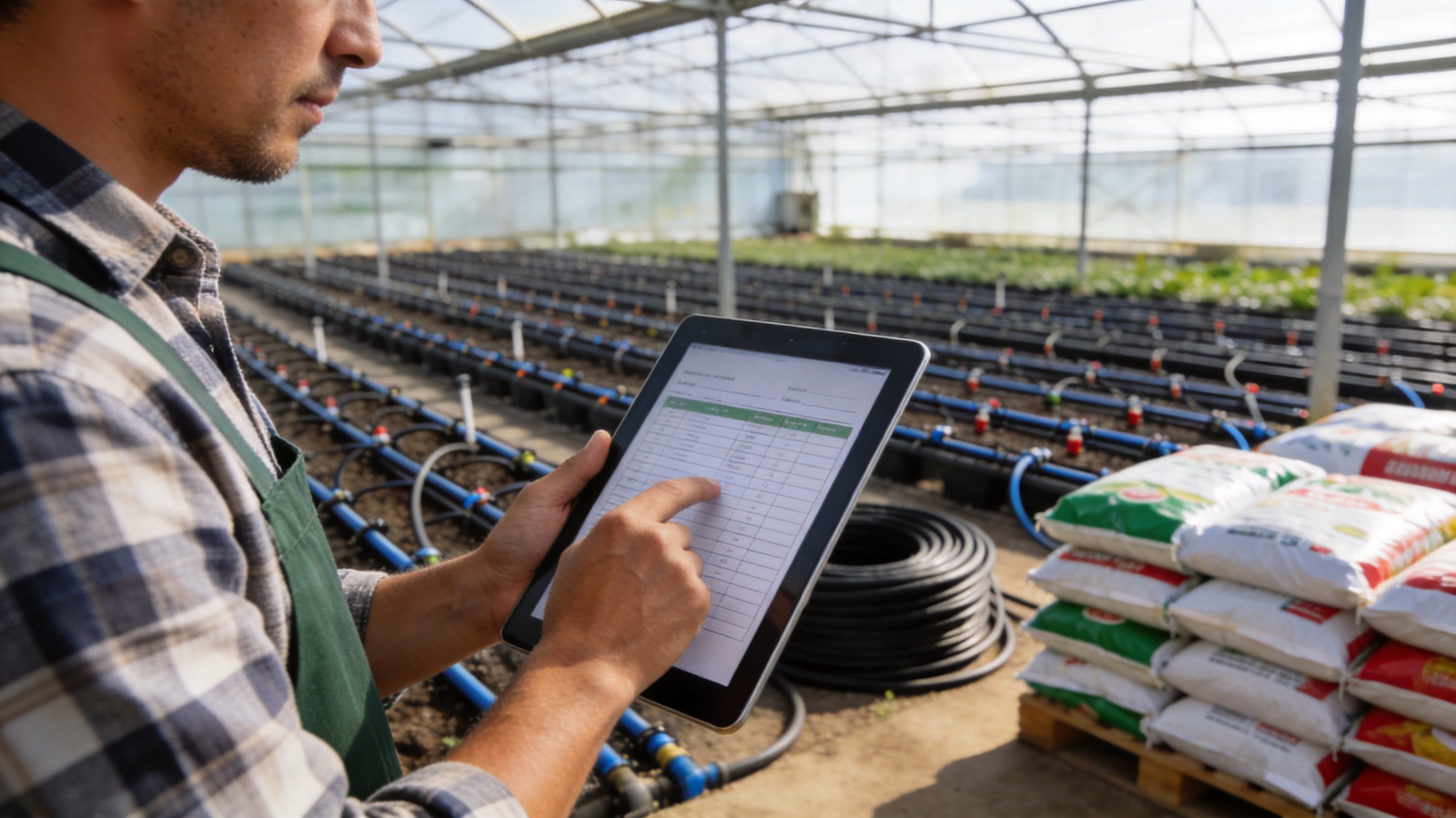
Conclusion: Online ordering is just the beginning; the difference lies in whether delivery nodes, batch records, and exception handling are transparent.
Saving unit price but losing due to greenhouse downtime is common: water-soluble fertilizer batch numbers don't match, drip tape specifications are vague, and replenishment delays mean missing growth windows. A reliable online system should integrate "can it be used, when will it arrive, who to contact if problems occur" into the process, rather than relying on chat supplements.
- Clear information before ordering: specification parameters, applicable scenarios, common misconfiguration alerts.
- Traceable after shipment: complete batch and quality inspection information, anomalies can locate affected scope.
- Clear delivery commitments: timeliness, damage compensation, missing item replenishment deadlines, can submit work orders online.
After these details are standardized, "online agricultural input trading" will shift from convenient to reassuring, and procurement will be more willing to increase volume.
Trend 2: Wholesale procurement of agricultural machinery and equipment focuses more on "complete solutions," no longer just buying single machines
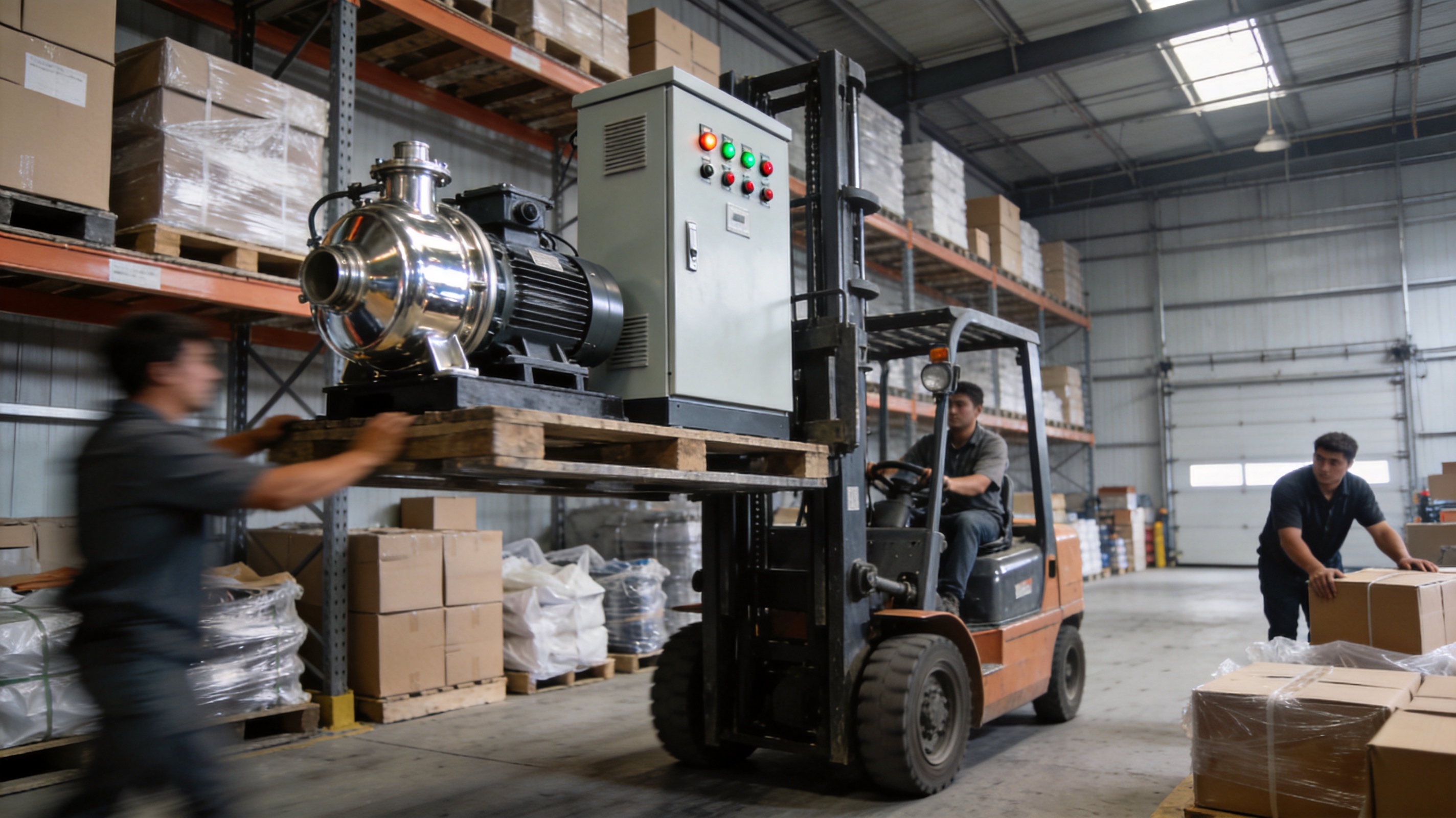
Conclusion: In 2026, wholesale procurement of agricultural machinery and equipment more commonly configures complete operational chains, rather than just comparing single machine prices.
Facility agriculture machinery is tightly bound to the environment: fertigation systems, filters, pipelines, valves, and controllers—if any link is chosen incorrectly, maintenance costs will eat up the "cost-effectiveness". Reliable suppliers will first ask about greenhouse type, crops, water quality, target flow rate and pressure, then provide BOM lists and alternative solutions.
Focus on three points in procurement: whether they can provide complete equipment lists and installation guidelines; whether spare parts and repair response are clearly defined; whether similar models can be configured in tiers, allowing you to validate effectiveness before upgrading.
Trend Three: Greenhouse Facility Agriculture Materials and Seed/Seedling Wholesale Begins Using "Standardization + Stable Batches" to Hedge Against Volatility
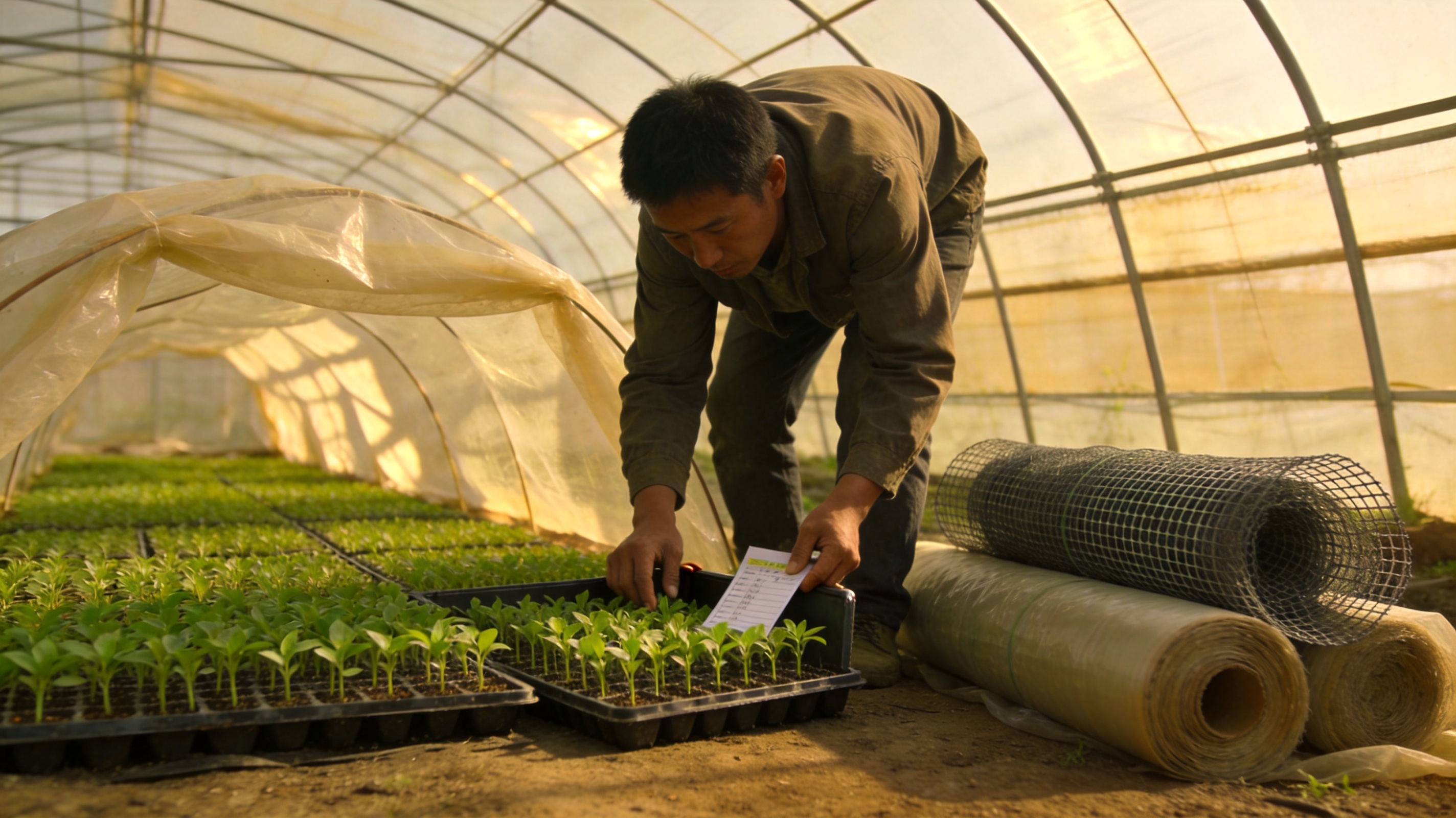
Conclusion: The stability of materials and seedlings is more valuable than "low-price stockpiling".
No matter how well greenhouse film's light transmission rate, anti-aging properties, and weight are described, unstable batches can still cause failures; seed and seedling wholesale fears most the growth variation between different batches of the same variety. The approach is to create standard packages for key materials by "greenhouse area/crop/cycle": unified specifications for greenhouse film, film pressing lines, slot channels, and shade nets in the same area; seedlings fixed to nursery bases with batch delivery rules, equipped with sampling inspection and retention protocols.
The benefits are direct: simpler management, less rework, faster repeat purchases. Procurement is not a one-time gamble, but transforming annual plans into replicable actions.
Translating Trends into Results: Choosing the Right Agricultural E-commerce Platform for Merchant Recruitment Makes Both Procurement and Sales Run Smoothly
Conclusion: Choosing the right platform immediately shows the difference in communication costs and repeat purchase rates.
Common real feedback: "Previously had to repeatedly confirm specifications by phone, now order by model number, goods arrive according to the list for installation, issues are tracked online." This relies on the platform having solid standards, product information, and fulfillment mechanisms.
When evaluating agricultural input e-commerce platform investment attraction or advancing online procurement, first select 3 high-frequency categories (such as greenhouse film/drip irrigation/water-soluble fertilizer, or seedlings + substrate + plug trays) to run a round of standardized trial orders; once successful, expand to agricultural machinery equipment wholesale procurement and annual plans, and you will find that "online agricultural input trading" is not just a tool, but an accelerator.
If you want to make facility agriculture material procurement in 2026 more stable and save communication efforts, write categories, specifications, delivery, and batches into procurement rules, and let the platform's standardization capabilities drive the pace.